


HAZ-DUST 7204 Particulate Monitor
HAZ-DUST 7204 particulate monitor: a flow compensated pump for gravimetric sampling combined with an optical sensor for particulate monitoring, running over 22 hours.
The HAZ-DUST 7204 particulate monitor is an instrument for concurrent dust monitoring and gravimetric dust sampling. By combining a flow compensated pump for gravimetric sampling with an optical sensor for particulate monitoring, it removes the need for two separate devices. It is one of our particulate monitors.
How does the HAZ-DUST 7204 combine a gravimetric pump with an optical sensor?
The large colour touch screen is easy to operate and shows a real time graphical display of airborne particulate concentration in the breathing zone. It continuously displays TWA, STEL, Minimum and Maximum concentration in mg/m3, over a sensing range of 0.001 to 500 mg/m3. The sensor mounts directly in the breathing zone for a personal sample. The sample flow rate is 1 to 5 L/min (adjustable) and adjusts automatically for the sample head. The monitor can take pre-weighed and preloaded 25 or 37 mm filter cassettes.
Which sampling inlet does the dust monitor use for inhalable, thoracic or respirable dust?
Interchangeable sampling inlets cover Inhalable, Thoracic and Respirable measurement. The kit includes a thoracic sampling inlet and an IOM inhalable sampling head; a GS-3 Cyclone respirable impactor and its adaptor are available as accessories.
How long does the 7204 run?
The rechargeable Li-Ion battery operates the monitor for over 22 hours, and charging takes 3 hours, depending on battery state. The memory holds 43,200 data points, with automatic data logging and multiple language options. The unit is small and lightweight, with an integral belt clip. DustComm Pro Software handles data downloading, trend analysis and reporting of concentration changes over time.
For a simpler handheld survey tool, see the HAZ-DUST I.
17 entries
| Parameter | Value |
|---|---|
| Accuracy | ±10% to filter gravimetric SAE fine test dust |
| Sensing Range | 0.001 to 500 mg/m3 or 1 to 500,000 µg/m3 |
| Display Resolution | 1 µg/m3 (0.001 mg/m3) |
| Particle Size Range | 0.1 to 100 µm |
| Measurement Precision | ±0.02 mg/m3 |
| Calibration | NIOSH Method 0600 gravimetric reference – NIST-traceable SAE fine test dust |
| Display | 8.9 cm (3.5″) colour with auto-dimming |
| Displayed Particle Concentration | Instantaneous, TWA, STEL, Minimum, Maximum |
| Sample Flow Rate | 1 to 5 L/min (adjustable). Auto adjusts for sample head |
| Power | Rechargeable Li-Ion battery |
| Operating Time | ≥22 hours |
| Charging Time | 3 hours, depending on battery state |
| Digital Output | Micro USB |
| Data Storage | 43,200 data points |
| Temperature | Operating: 0 to +50°C Storage: -20 to +70°C |
| Dimensions | Case: 8.9 x 5.7 x 12.1 cm Sensor: 4.4 x 3.8 cm |
| Weight | 517 g |
No rows match your search.
| Silica | Diesel | Coal | |
| Lead | Construction dust | Welding fumes | |
| Wild fires | Concrete/cement | Nuisance dusts | |
| Grinding dusts | Pharmaceuticals | Paint spray | |
| Grain | Soil remediations | Wood/paper | |
| Cadmium | Chromate | Tobacco smoke | |
| Dry chemicals | Oil mists |
| Description | Part Number | |
|---|---|---|
| HAZ-DUST 7204 Monitor Kit, includes: Monitor, 37 mm 2-piece opaque filter cassette, open-faced sampling adapter, thoracic sampling inlet, IOM inhalable sampling head, flow adapter, zero accessory, battery charger, and DustComm Pro Software, in a hard carry case (requires calibration with equipment sold separately, see accessories below) | 770-7204 |
| Description | Part Number | ||
|---|---|---|---|
| Respirable Impactor, GS-3 Cyclone, mounts on HAZ-DUST IV sensor | 225-103 | 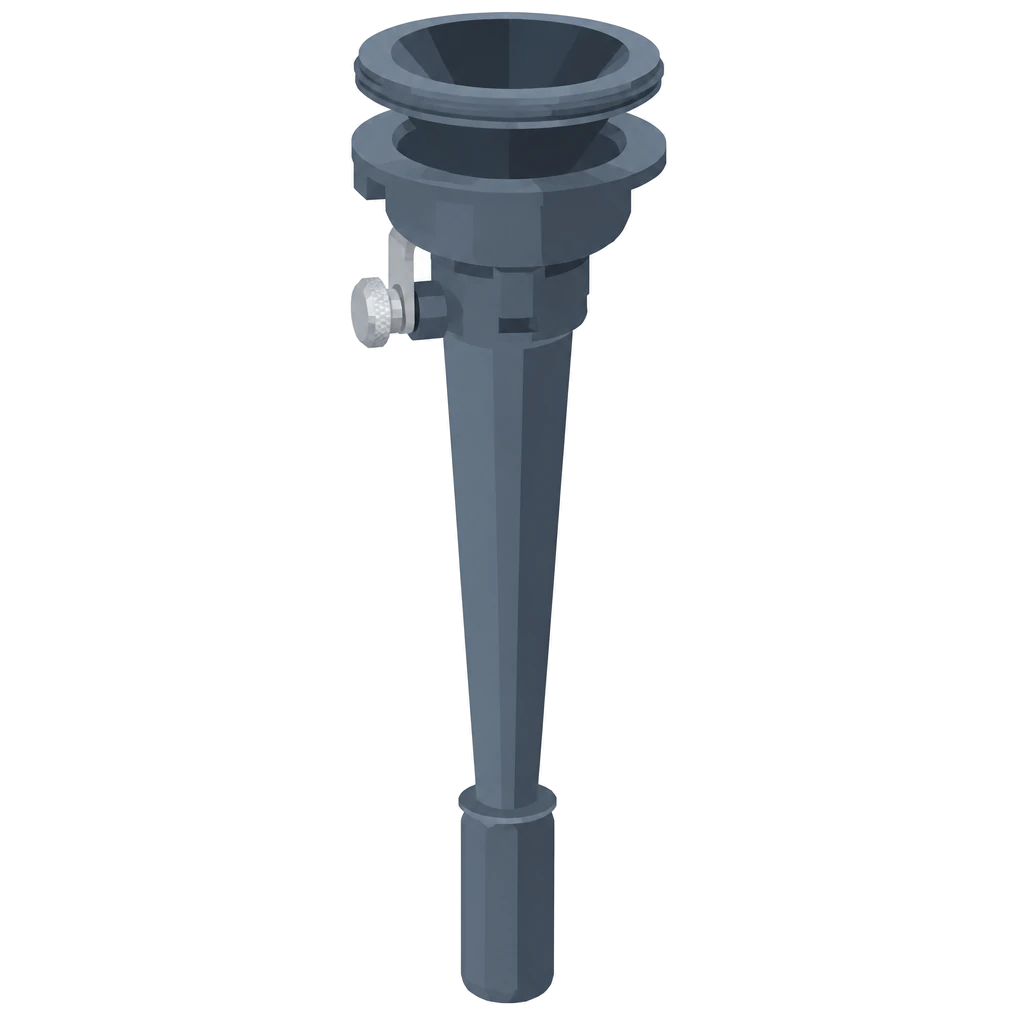 | |
| Adaptor for Respirable Impactor, required when using GS-3 Cyclone | 770-313 | 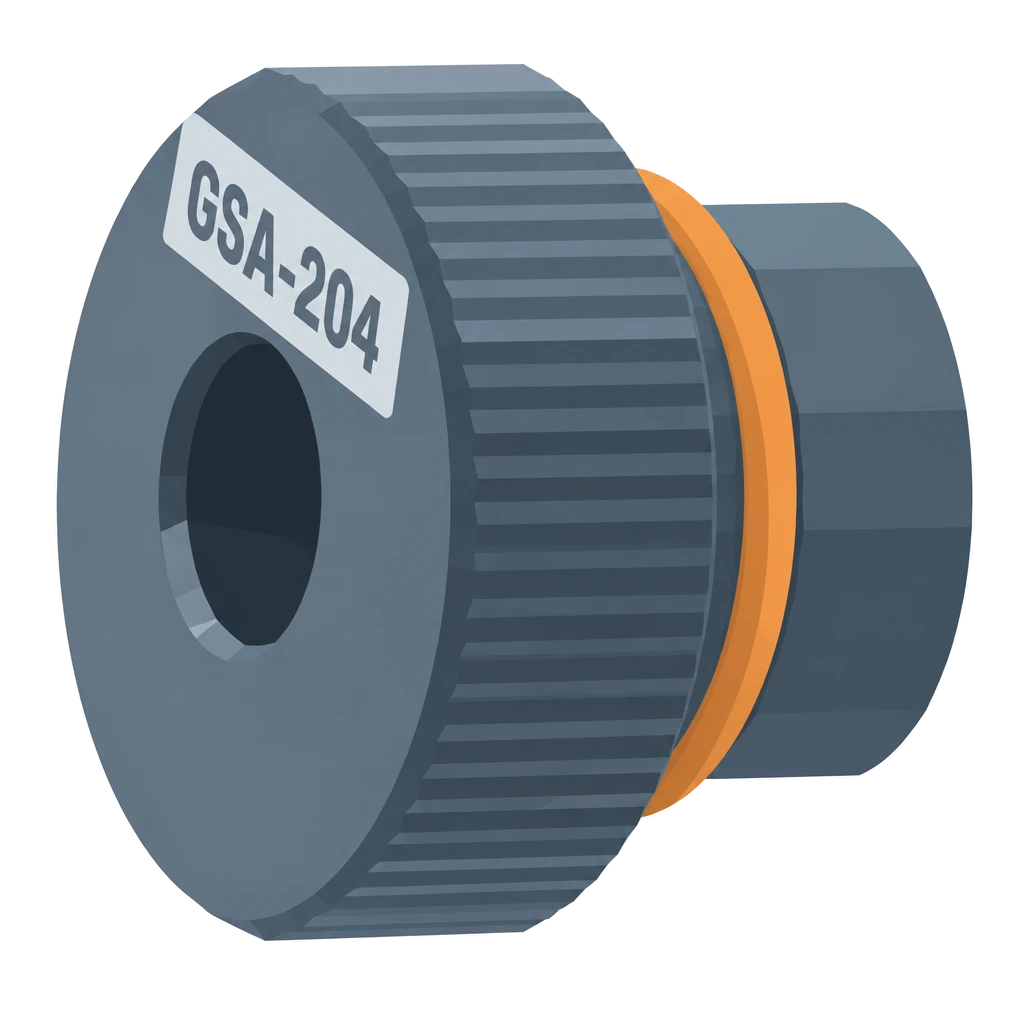 | |
| Calibration Standard, for verifying span and optical sensor performance | 770-327 | 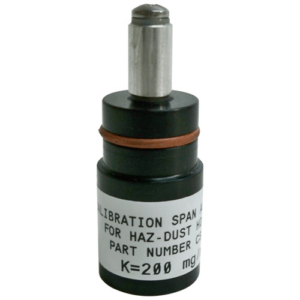 | |
| Inhalable IOM Sampling Head | 225-70A | 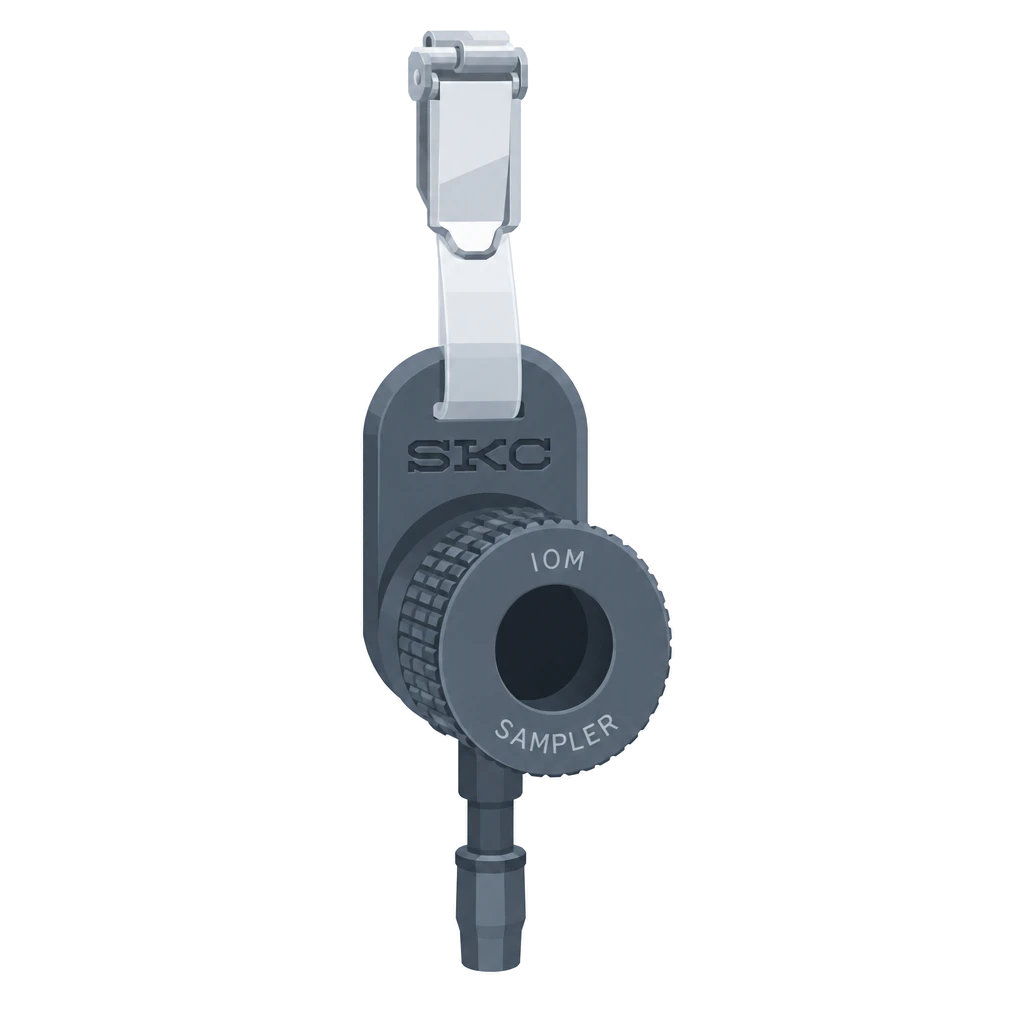 | |
| Calidaptor, adaptor for calibrating the Inhalable IOM Sampling Head | 391-01 | 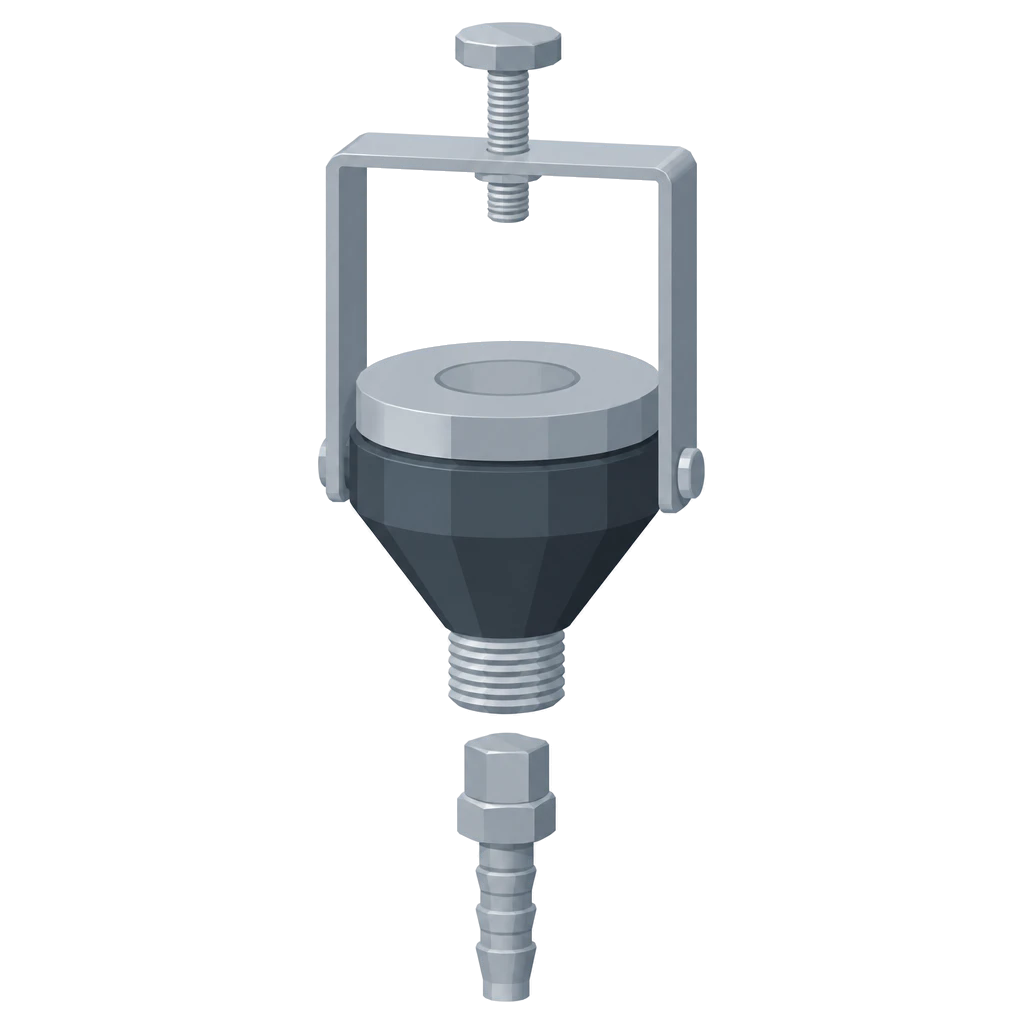 | |
| Recommended chek-mate flowmeter, 500-5000 ml/min, for calibrating the Inhalable Sampling Head (Other Calibrators available , see Calibration) | 375-0550 | 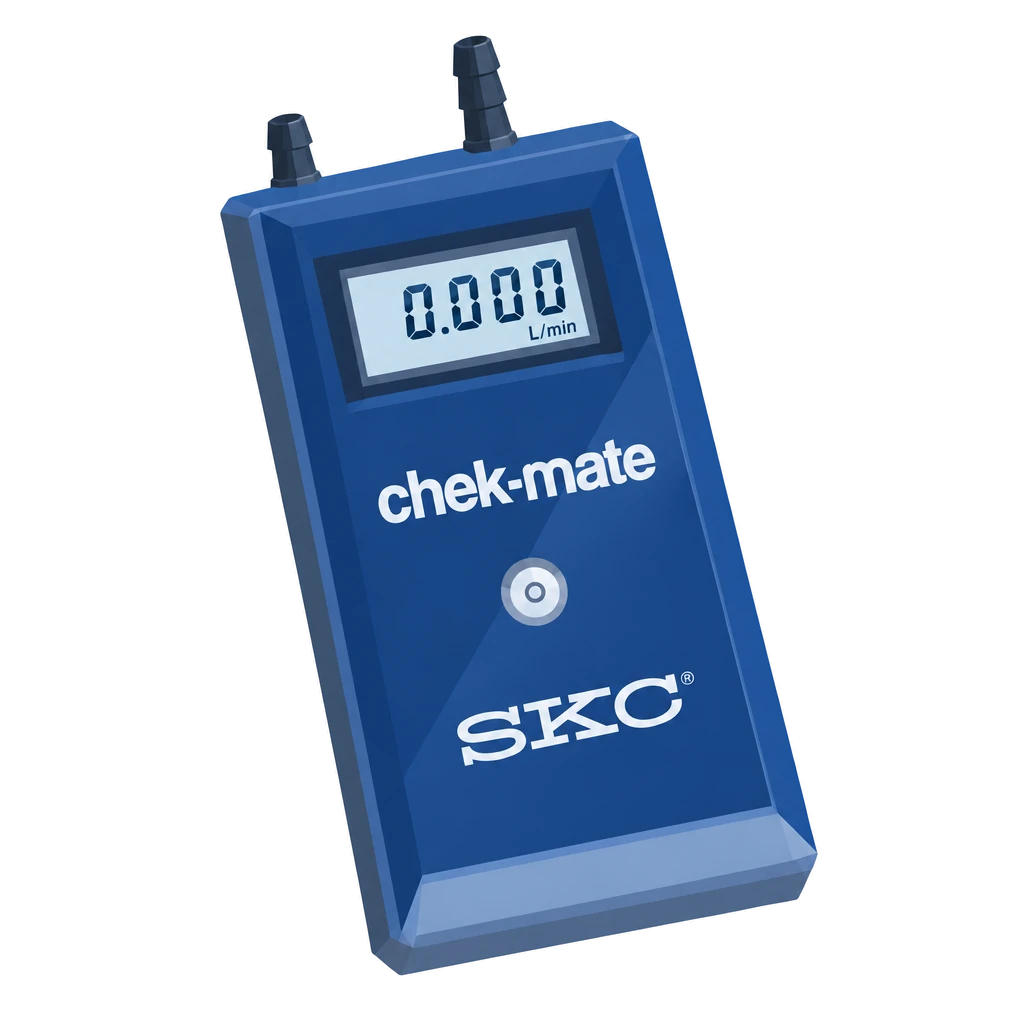 | |
| Calibration Chamber, for calibrating and setting pump airflow when using GS-3 Cyclone | 225-112 | 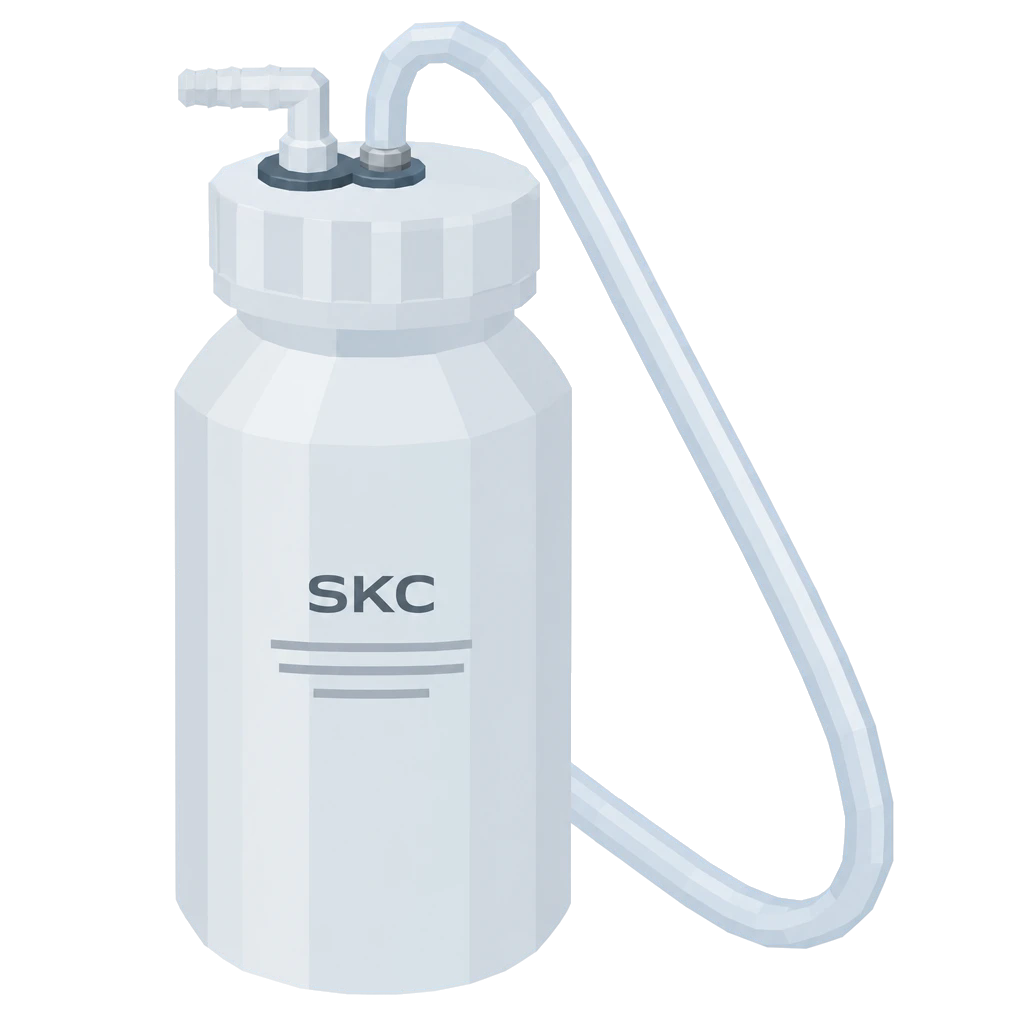 | |
| Cleaning Kit, includes bulb, swabs and lens tissue (no air canister) | 770-305B | ||
| DustComm Pro Software on USB Flash Drive | 770-225 |
Questions about this product?
Our application engineers aim to reply within 3 business hours.