

Repair & maintenance
Instrument repair & maintenance
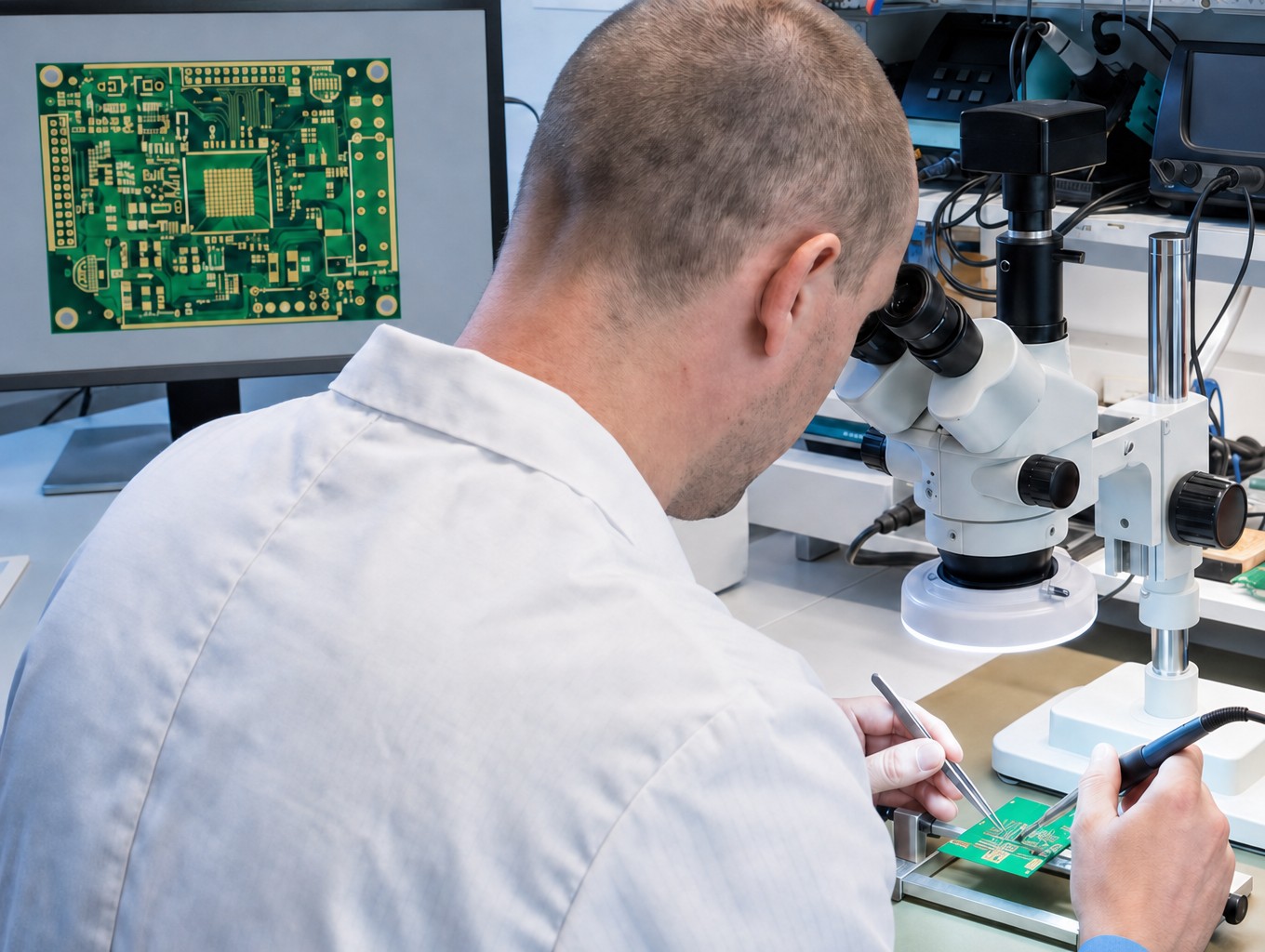
Mass flow meter repair, electronic and mechanical: gas mass flow and pressure instruments get board-level micro-soldering, ultrasonic cleaning, and recalibration after every repair.
Last updated · October 2026
Healthy first, calibrated second
A calibration is only worth something on a healthy instrument. A mass flow meter with a damaged sensor will still produce a reading — it can even be nudged through a calibration — but it will not hold that calibration; it drifts. So before we calibrate anything, we make sure the device itself is sound: sensors, valves, electronics, battery, seals.
For devices that support it, we back up the on-board memory before touching anything — settings and calibration data included — so there is always a known-good state to return to.
Which flow instruments do we repair?
Electronic and mechanical faults alike: sensor and valve problems, damaged fittings, display and interface failures, contaminated flow paths.
Our own instrument line
The instruments we know deepest — board-level repair, adjustment and calibration, with the factory behind us when a unit needs to go deeper.
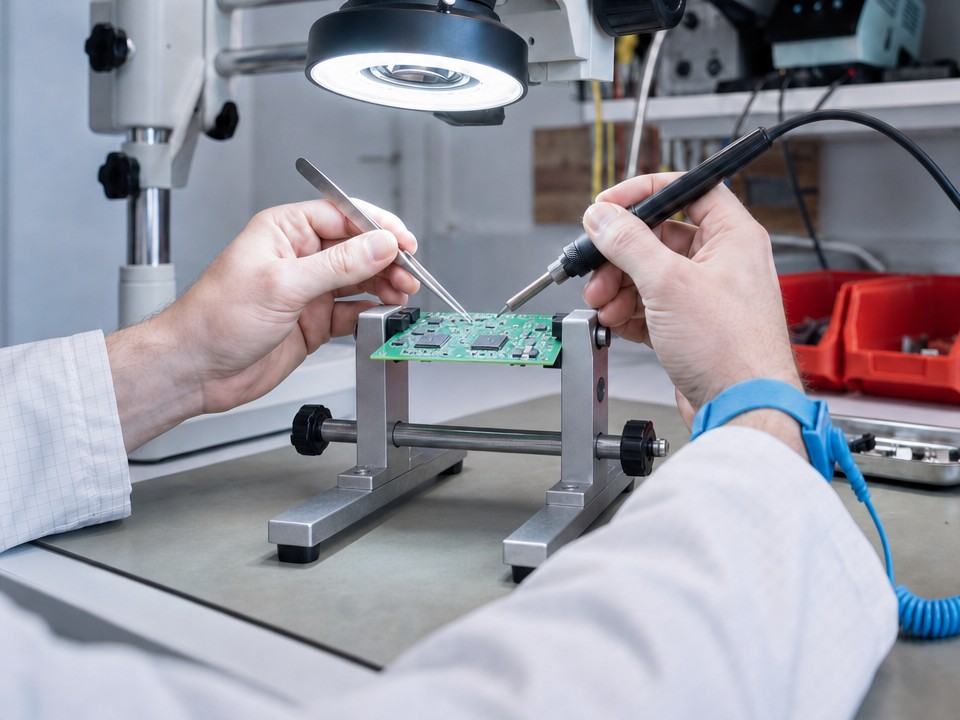
Board-level electronics repair
Electronic faults get repaired at component level, not board-swapped away. The bench is built for it: a trinocular microscope over the work, proper soldering and hot-air stations beside it, and a technician who has seen the inside of these instruments for years.
Component-level work keeps repair costs proportionate — and it keeps instruments alive that a board swap would have written off.
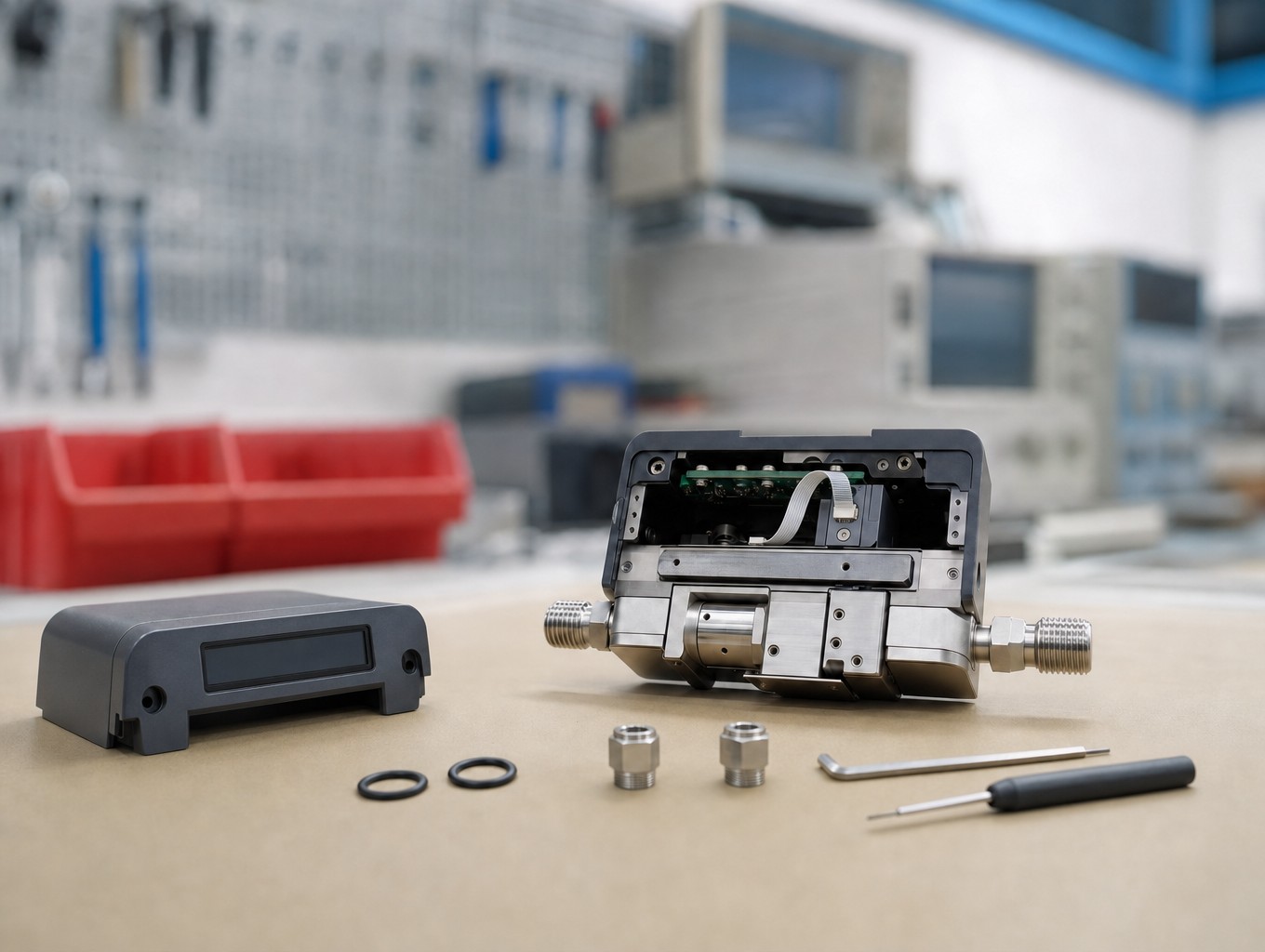
Mechanical repair
Valves, seals, fittings, pump mechanics — mechanical wear is half of what walks through the door. We strip, clean, re-seal and rebuild, with genuine parts where a partner brand is involved.
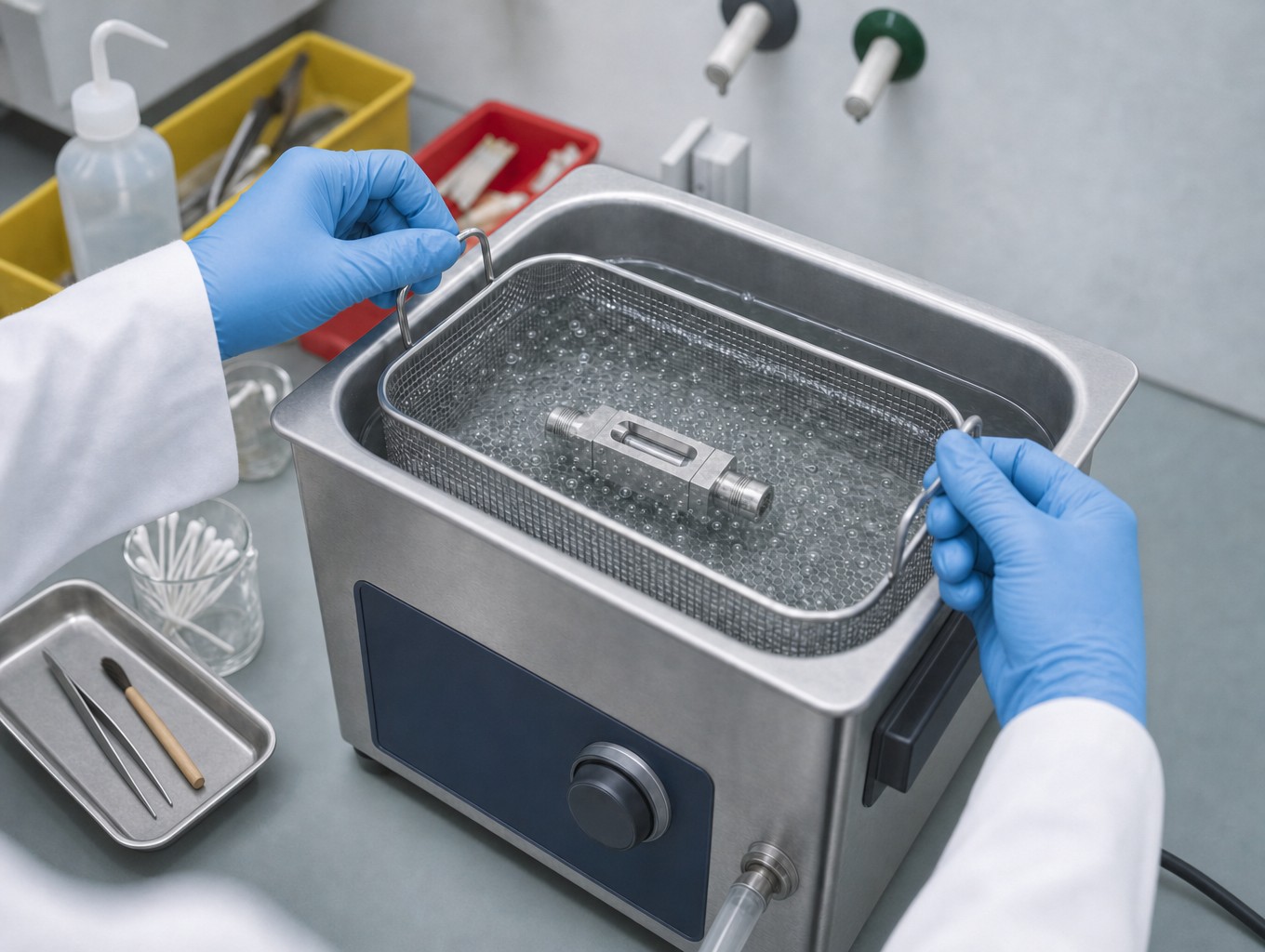
Ultrasonic cleaning
Flow paths pick up what flows through them. Where a flow path or an assembly needs deep cleaning, it goes into an ultrasonic bath — under a laboratory fume hood, with chemistry chosen for the contamination and the materials at hand, not a one-size-fits-all dip.
Repaired, then proven
No repaired instrument leaves on trust. After the repair it goes through the same verification and — where the device calls for it — the same calibration as any instrument sent in for calibration alone, and the certificate shows what was found and what was left.
How to send in your device
Diagnosis first, quote before any work — that part never changes. The practical side is one procedure for every device we service.
Instrument not behaving?
Describe the fault and our engineers will tell you whether repair is worthwhile — usually the same day.