


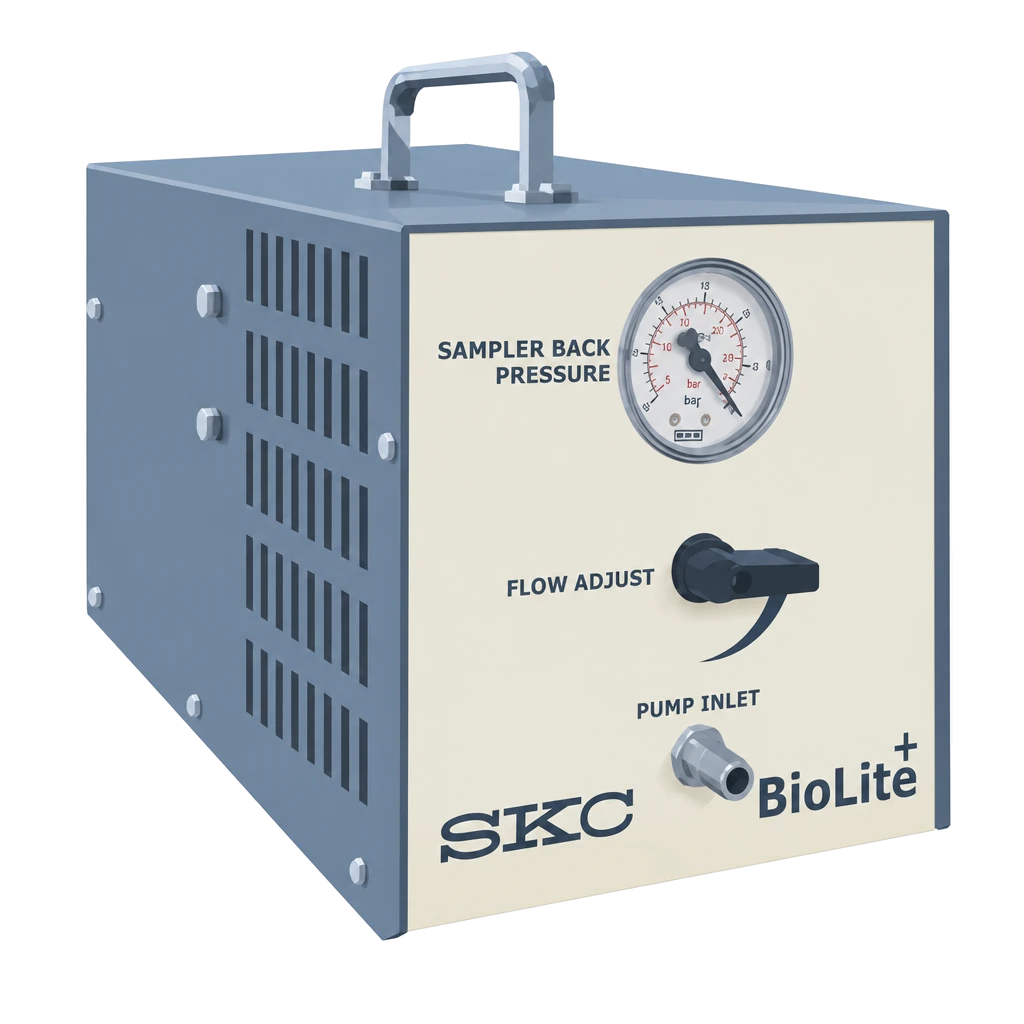
Air Sampling Pumps Above 5 L/min
High-volume area, asbestos and bioaerosol sampling from 5 to 62 L/min.
Air sampling pumps are battery-powered units that draw air through filters, cassettes or sorbent tubes for workplace exposure sampling. The range spans personal low-flow pumps from 5 ml/min to high-volume units for 20 L/min and above, with matching sampling kits, software and low-flow accessories — from SKC.


Choose your technology
High-volume area, asbestos and bioaerosol sampling from 5 to 62 L/min.
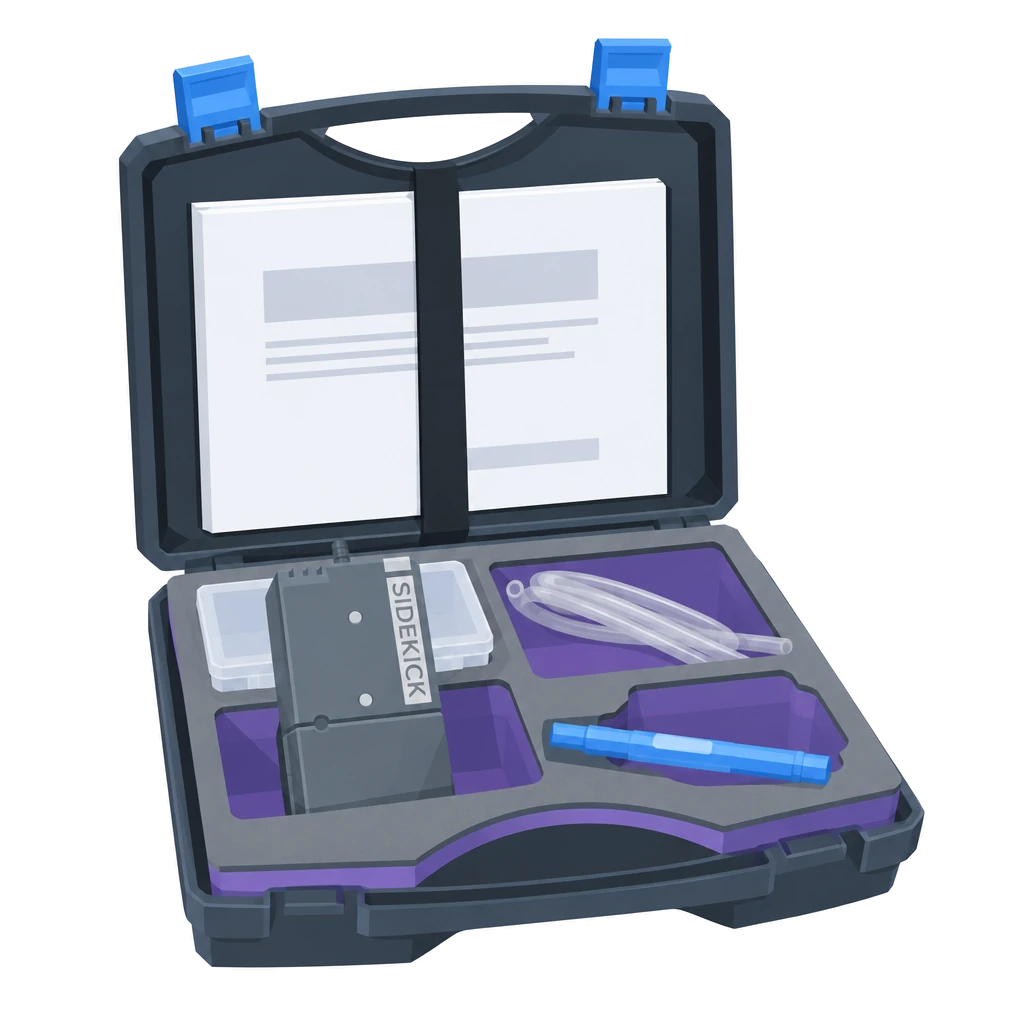
Pump plus method accessories in one case — dust, vapour or both.
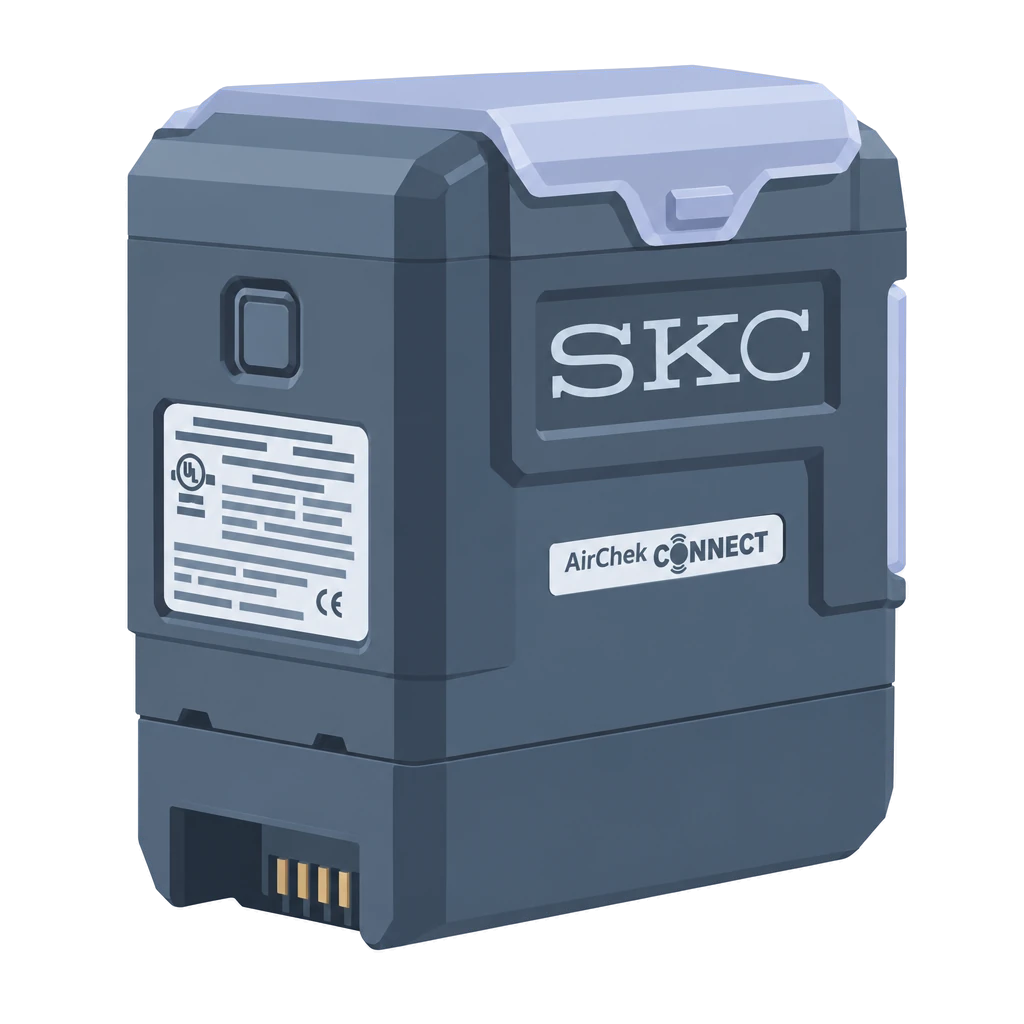
Belt-worn personal sampling to 5 L/min — dust, vapour and sorbent tubes.
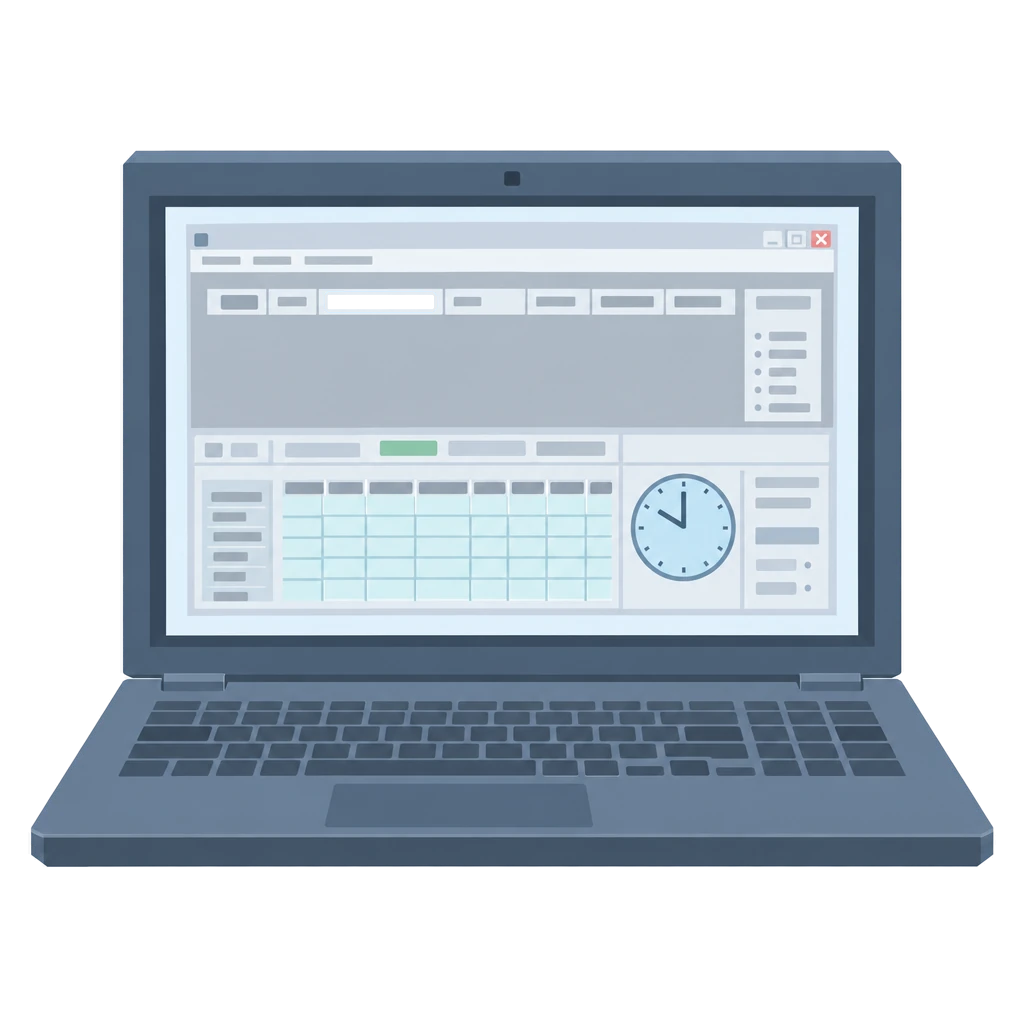
Add PC pump control or low-flow (5–500 ml/min) sorbent-tube sampling.
Mains bioaerosol pump to 62 L/min for BioSampler liquid impingement; two mounts run two samplers.
to 62 L/min · mains · 7.25 kg
SKC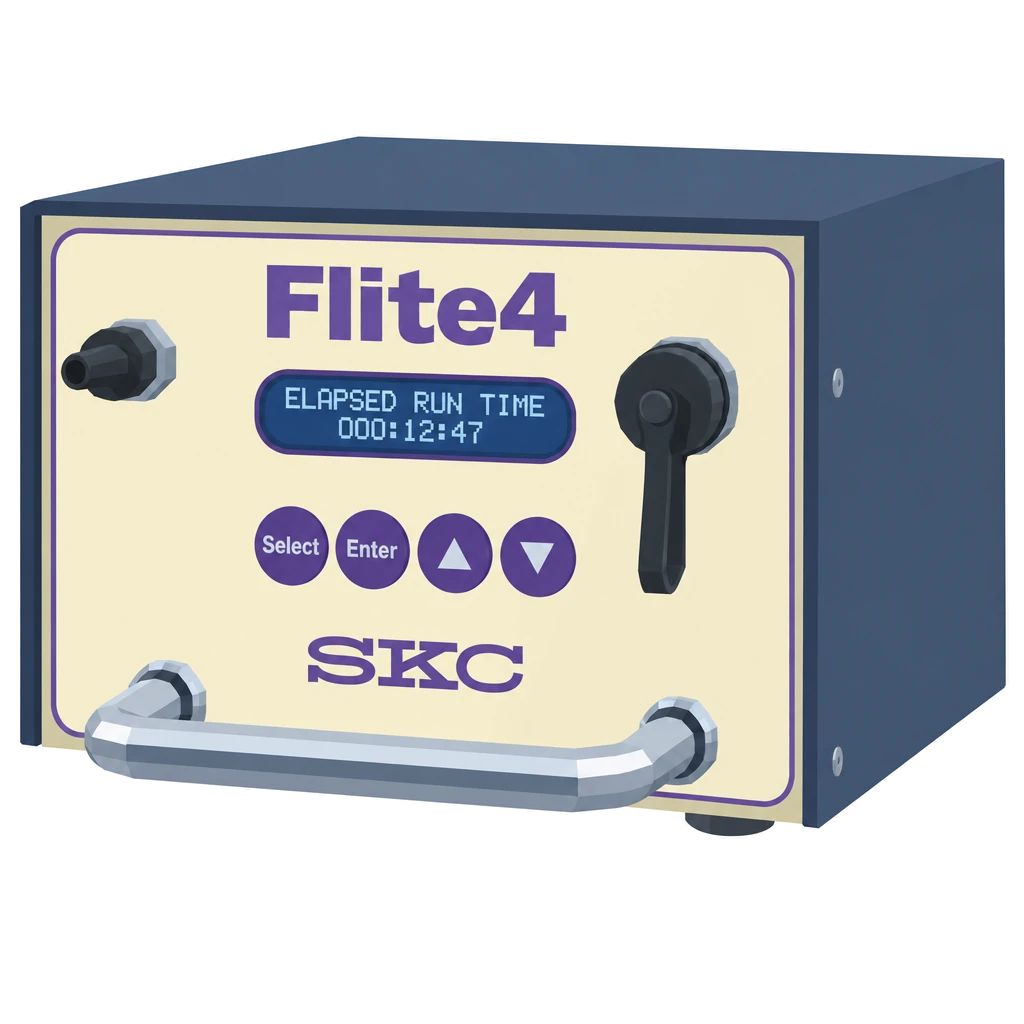
High-volume pump, 2–20 L/min for asbestos and area monitoring; battery or AC, programmable timer.
2–20 L/min · battery/AC
SKC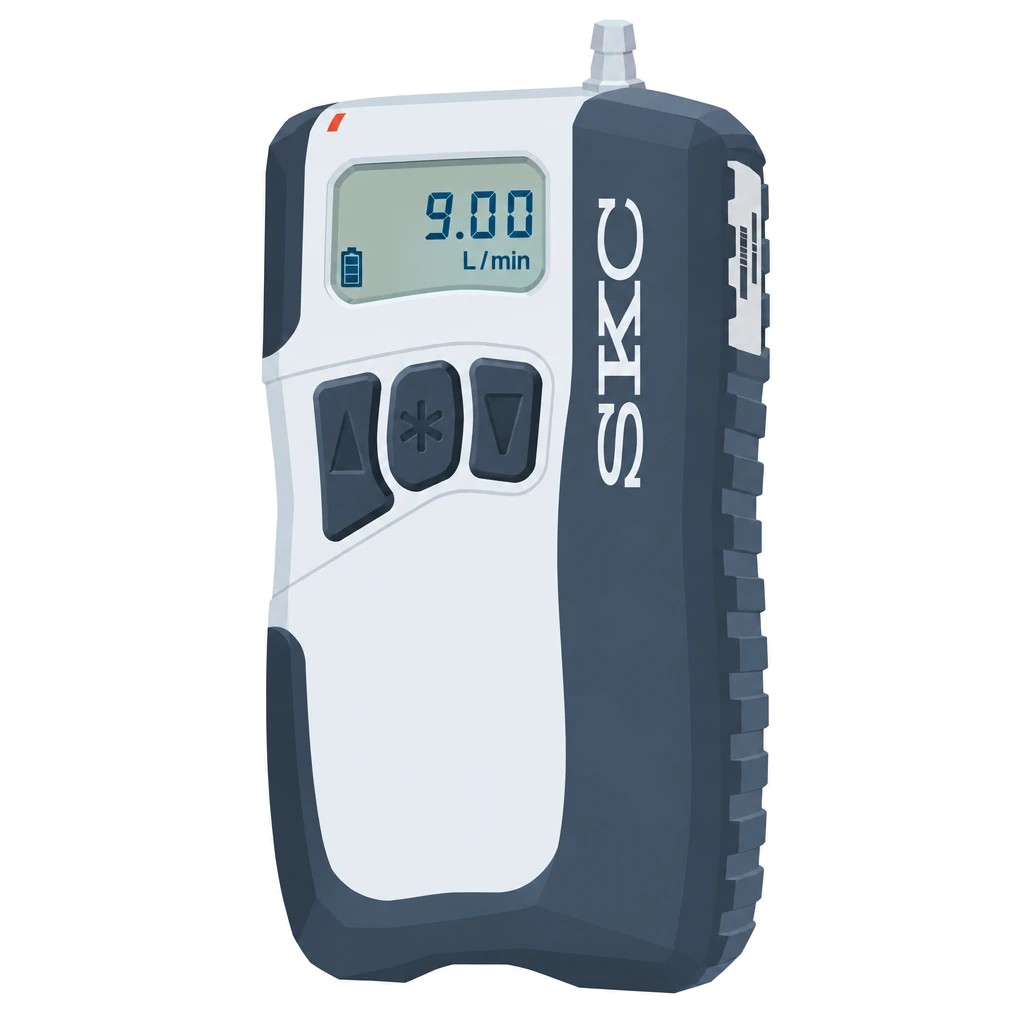
Battery high-flow pump, 5–15 L/min; Li-ion for 24+ hours at 5 L/min, ideal for unattended sampling.
5–15 L/min · 24+ h · Li-ion
SKC Pump-only starter kit — charger, tubing, screwdriver set and case; add your own sampling media.
SKC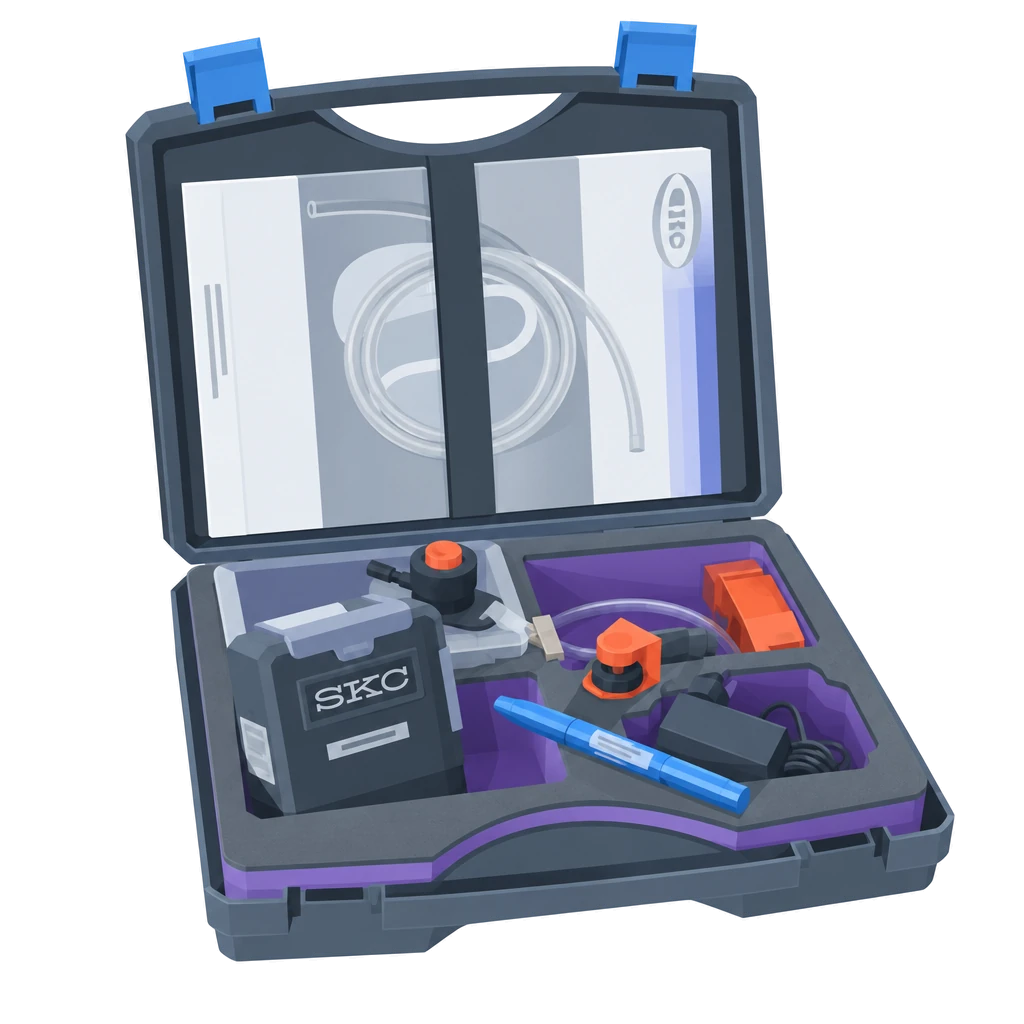
Adds IOM Multidust sampler, cassettes and foams for inhalable or respirable dust; media separate.
SKC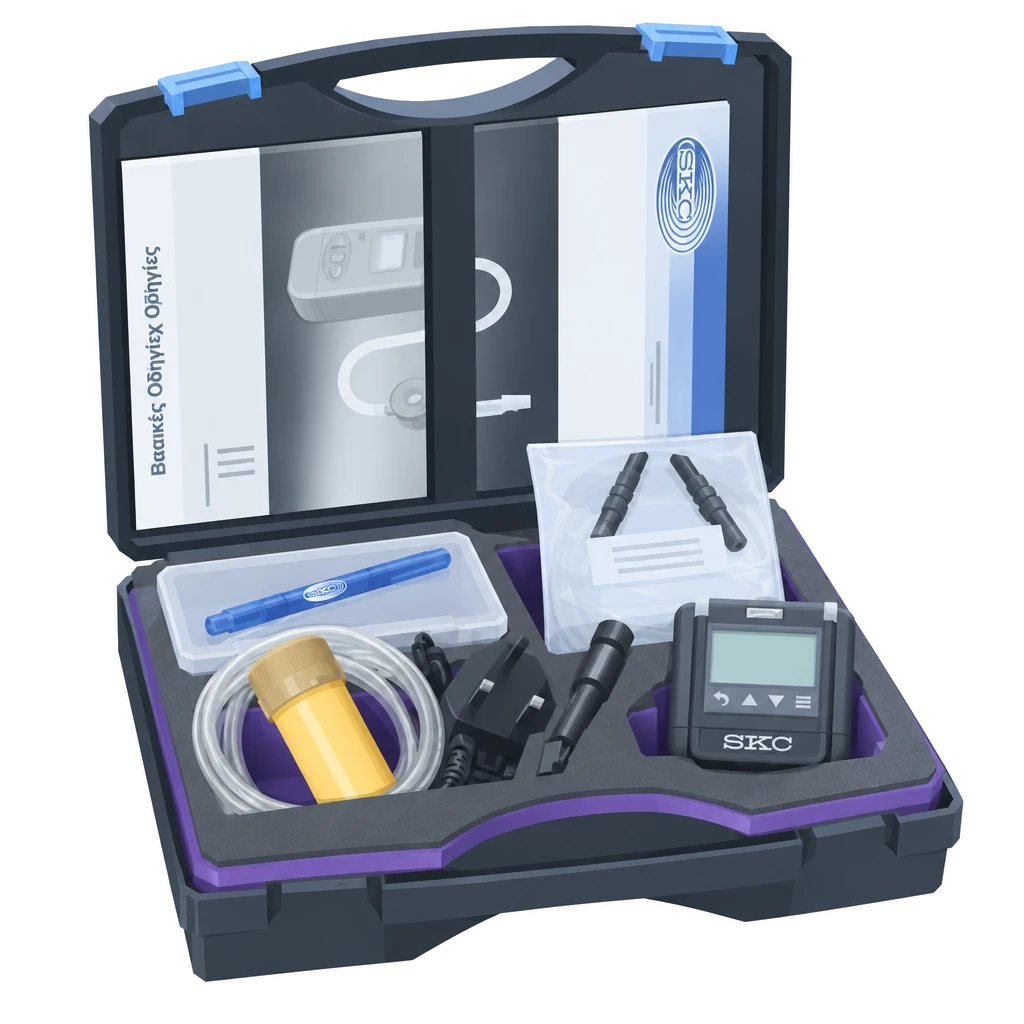
Adds sorbent-tube holder, constant-pressure controller and cover for gas and vapour; tubes separate.
SKC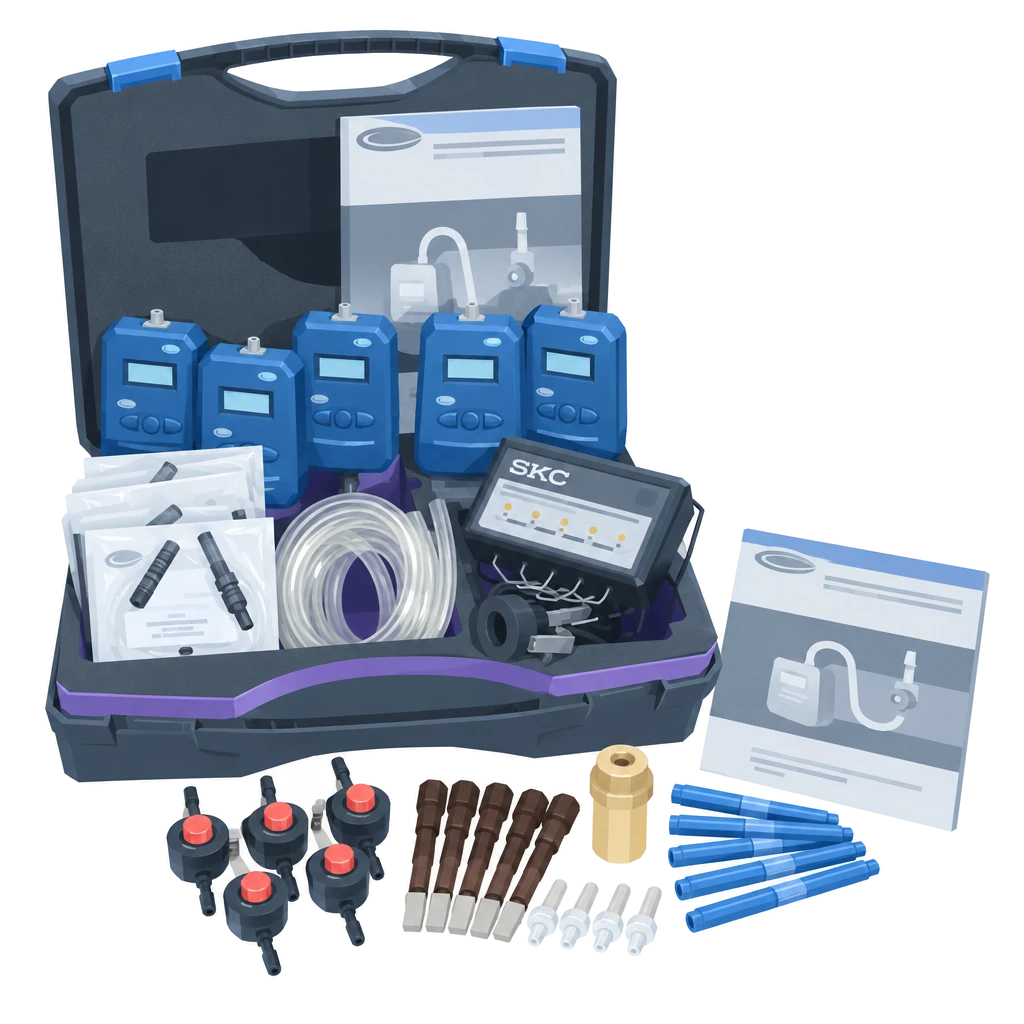
Combines dust cassettes and sorbent-tube holders for sites needing both methods; media separate.
SKC Bluetooth touchscreen pump with SmartWave app and DataTrac Pro control; Li-ion runs over 40 hours.
5–5000 ml/min · 40 h · Li-ion
SKC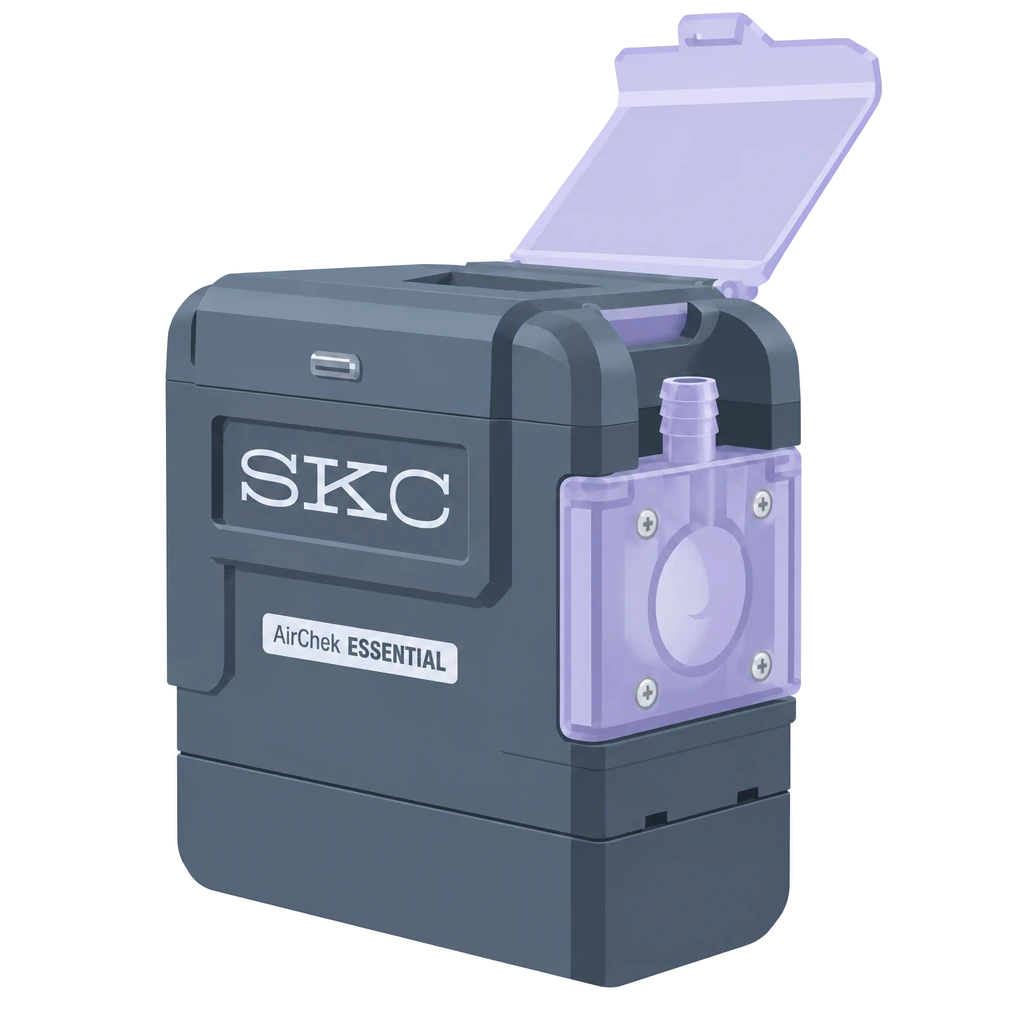
Low-cost touch-keypad pump for dust and vapour; monochrome display, Li-ion for 40+ hours at 2 L/min.
5–5000 ml/min · 40 h
SKC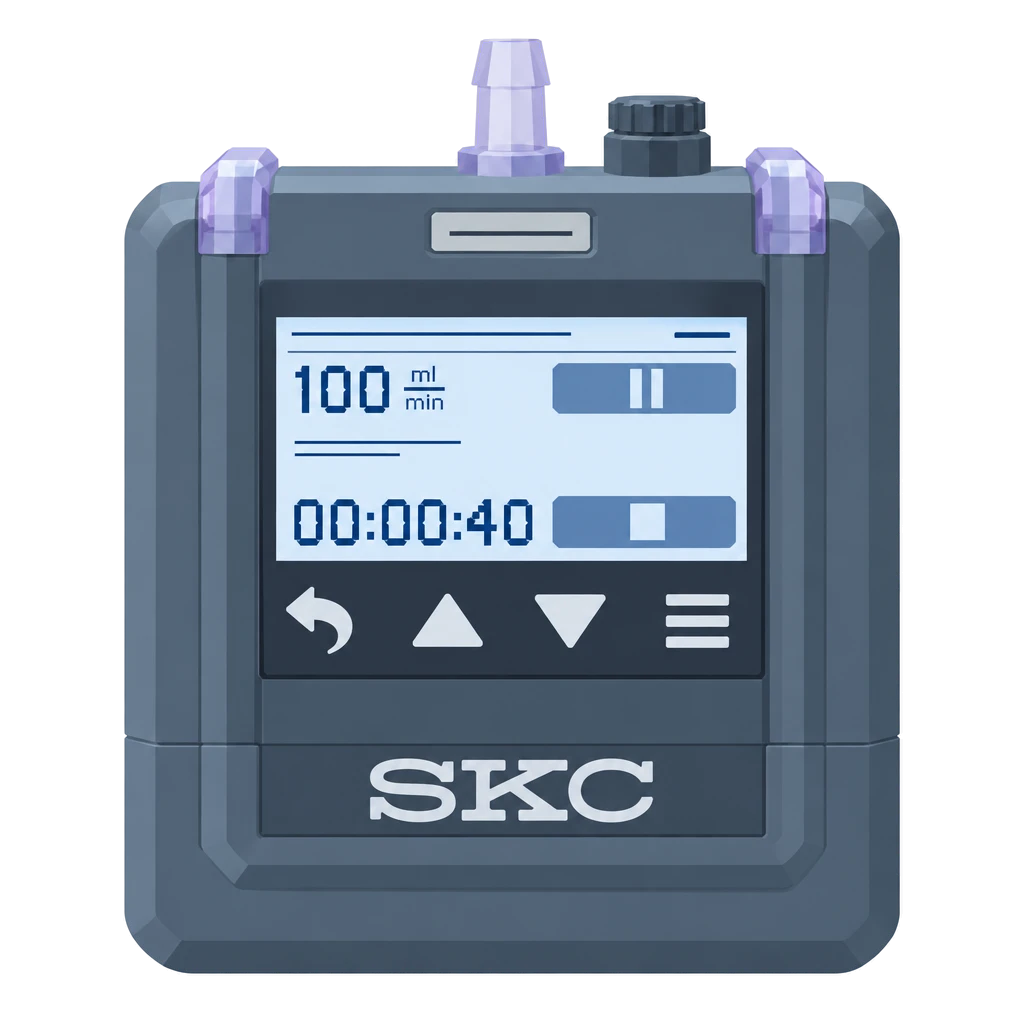
Pocket-sized low-flow pump, 20–500 ml/min for gas and vapour; touchscreen, bag-fill port, 235 g.
20–500 ml/min · 235 g
SKC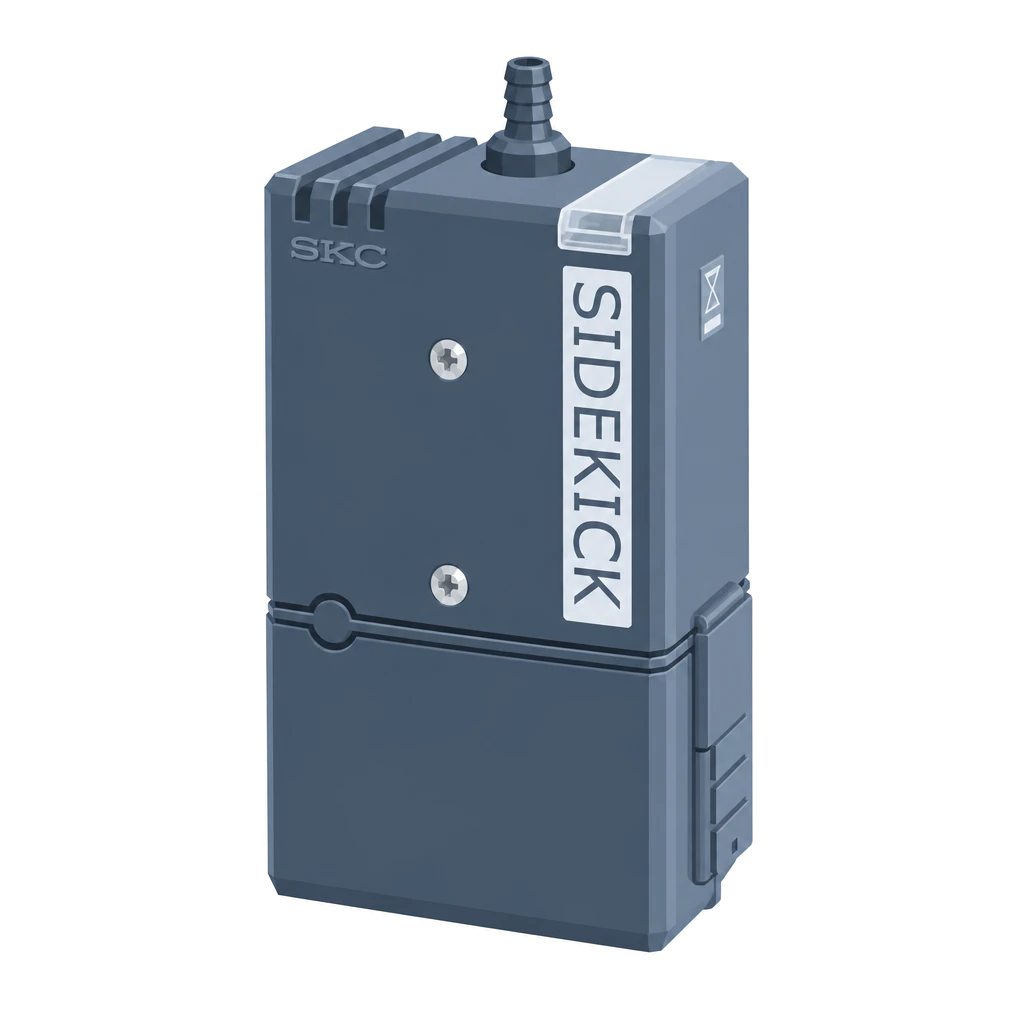
Rugged NiMH pump, 5–3000 ml/min for dust and gas; Standard, Intermediate and Deluxe, ATEX models.
5–3000 ml/min · NiMH · 465 g
SKC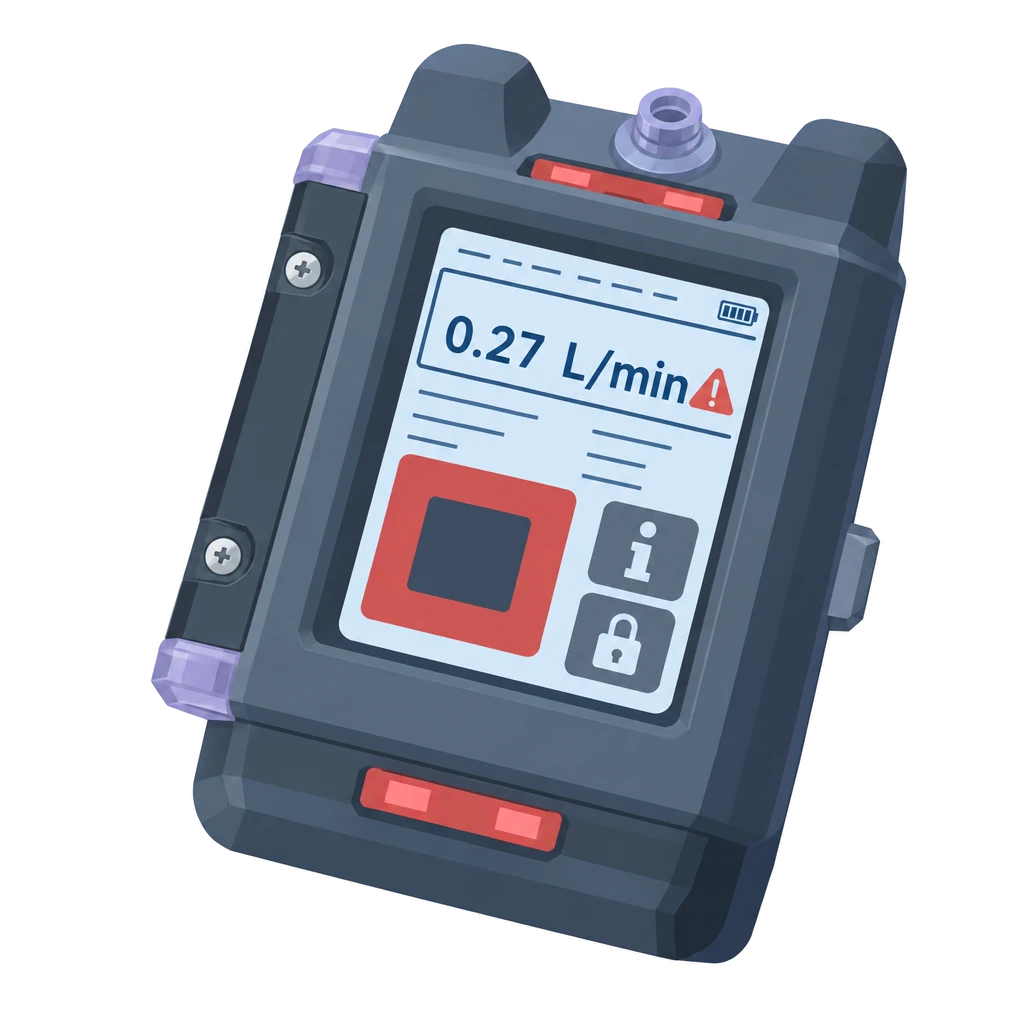
Colour touchscreen pump, 5–5000 ml/min; CalChek auto-calibration and DataTrac Pro programming.
5–5000 ml/min · Li-ion
SKC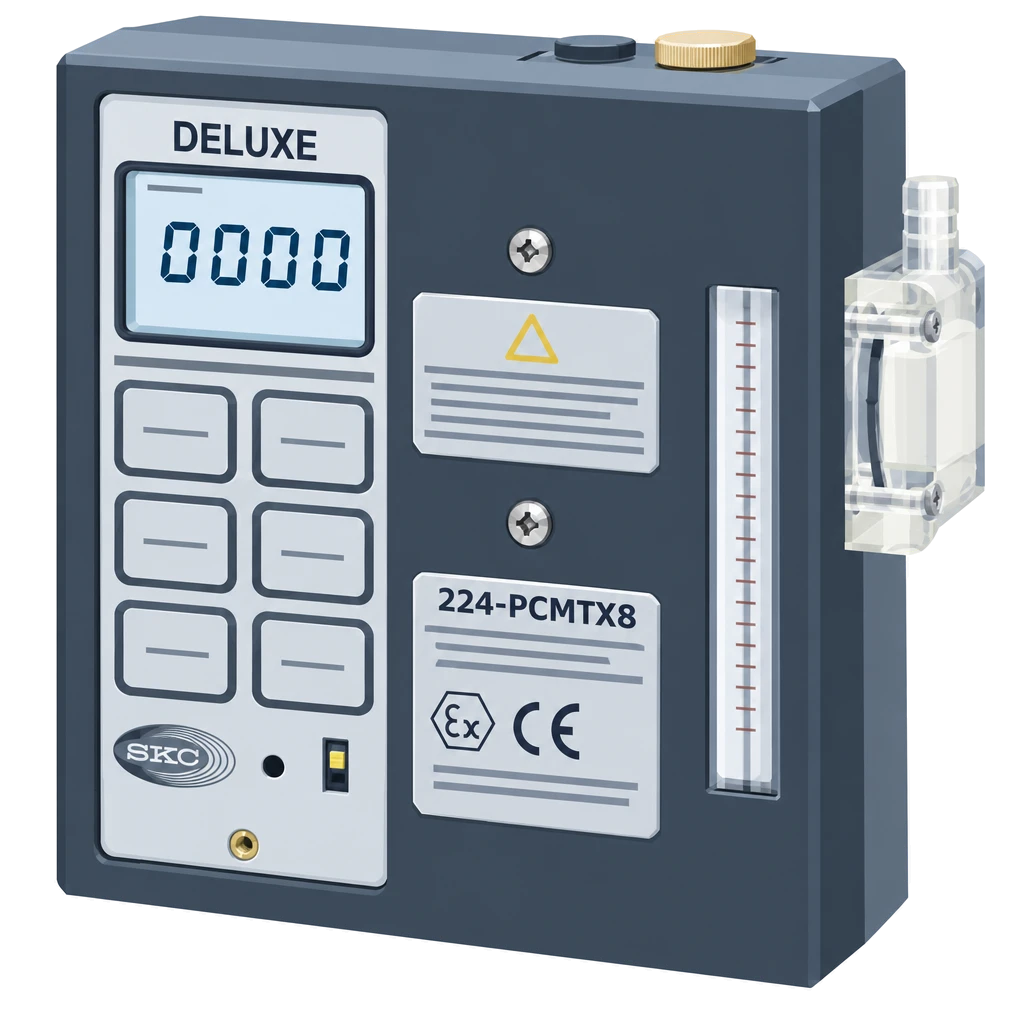
Metal-cased ATEX pump, 5–4000 ml/min for dust, gas, bag and impinger sampling; timer models.
5–4000 ml/min · ATEX · 915 g
SKC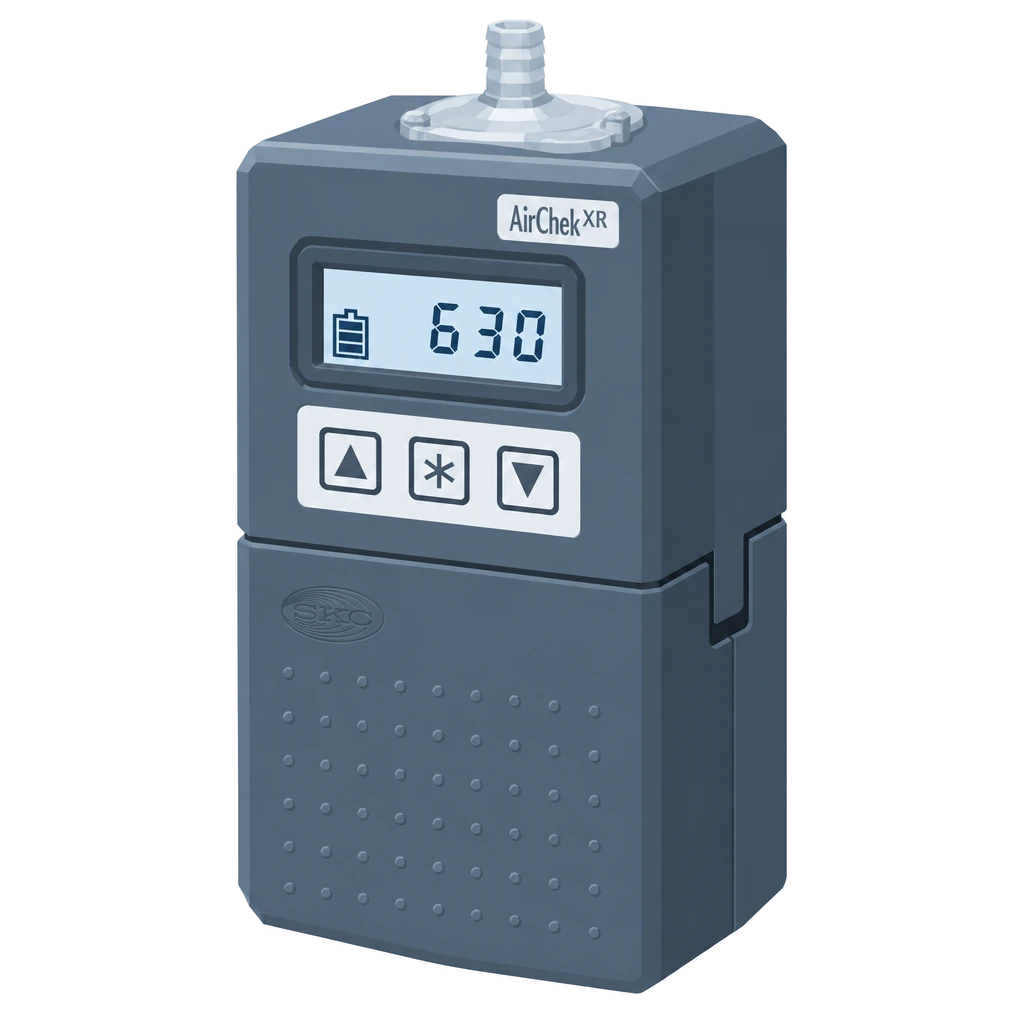
Two Li-ion battery options for 40+ hours at 2 L/min; 5–5000 ml/min, built-in low-flow regulator.
5–5000 ml/min · 40+ h
SKC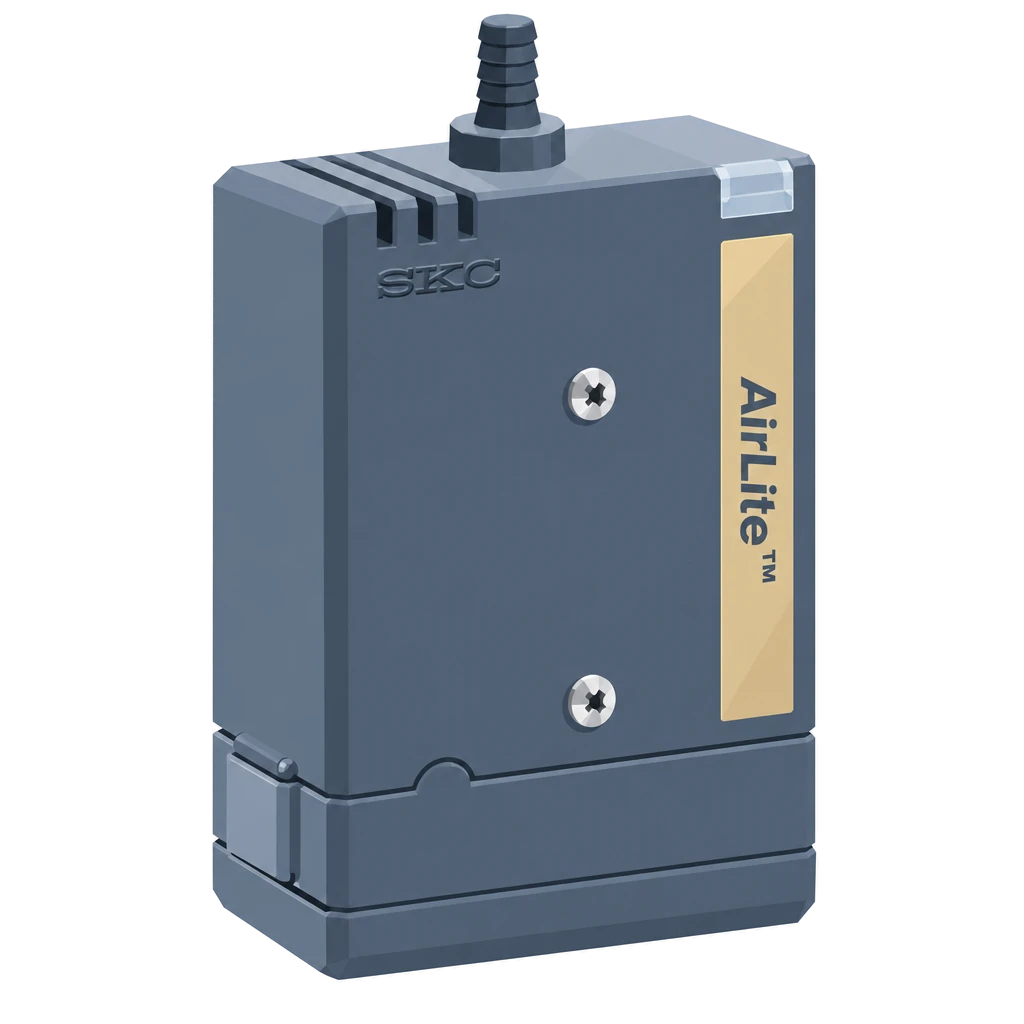
Runs on 3 disposable AA alkaline cells, 5–3000 ml/min; 340 g, easy-clean impact-resistant case.
5–3000 ml/min · 3×AA · 340 g
SKC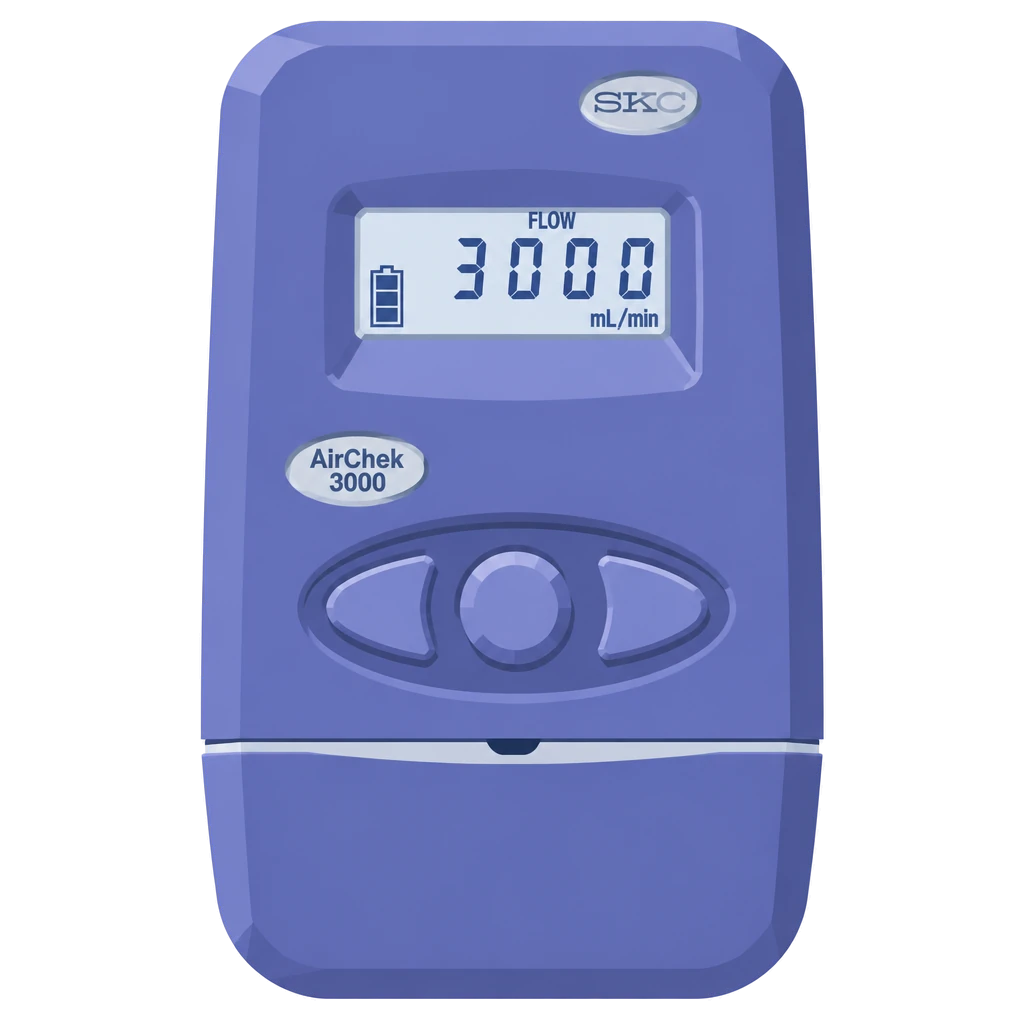
ATEX and IECEx certified for explosive atmospheres; 5–3250 ml/min, IP64 rubberised case, NiMH.
5–3250 ml/min · IP64 · NiMH
SKC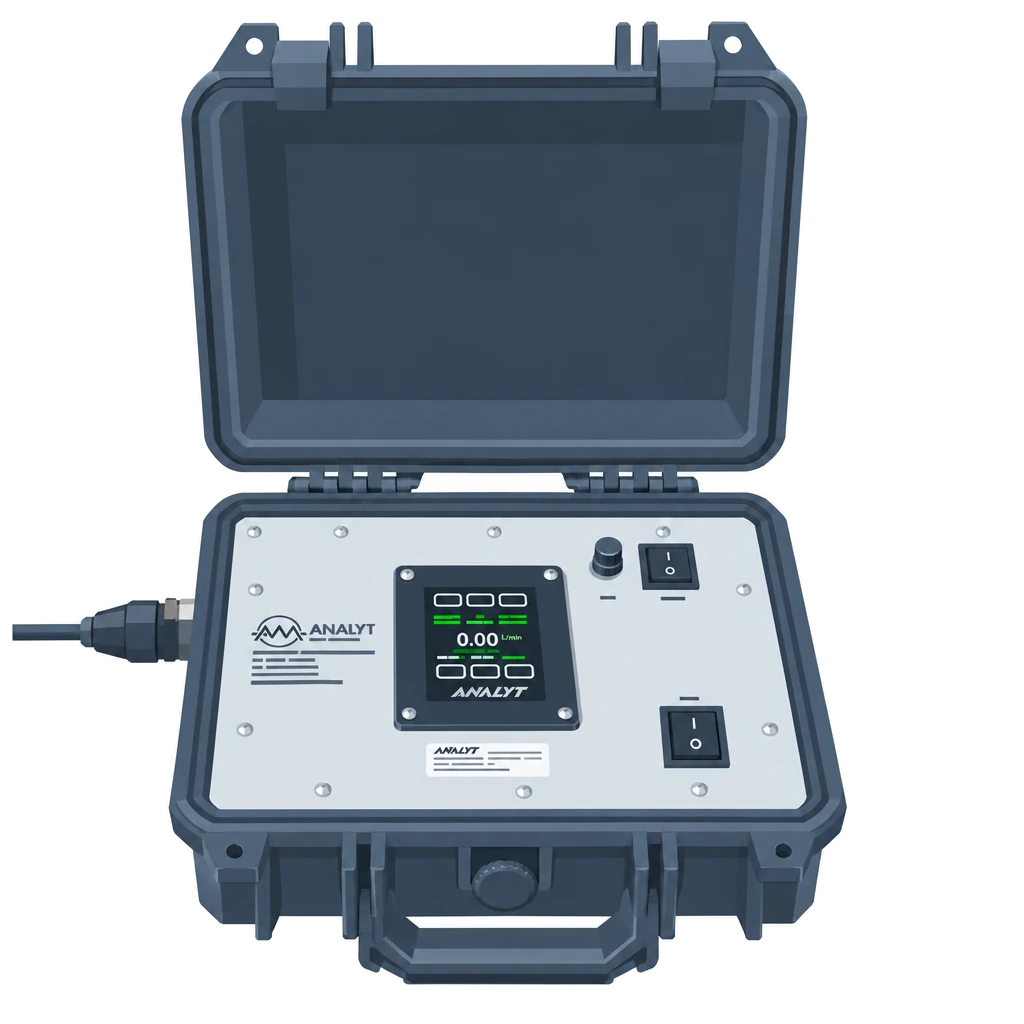
Mass-flow sampling system targeting sample volume or mass, 100 ml/min–3 L/min; single or dual channel.
100 ml/min–3 L/min
SKC PC software to program pumps, run them remotely and download sampling data for exposure records.
SKC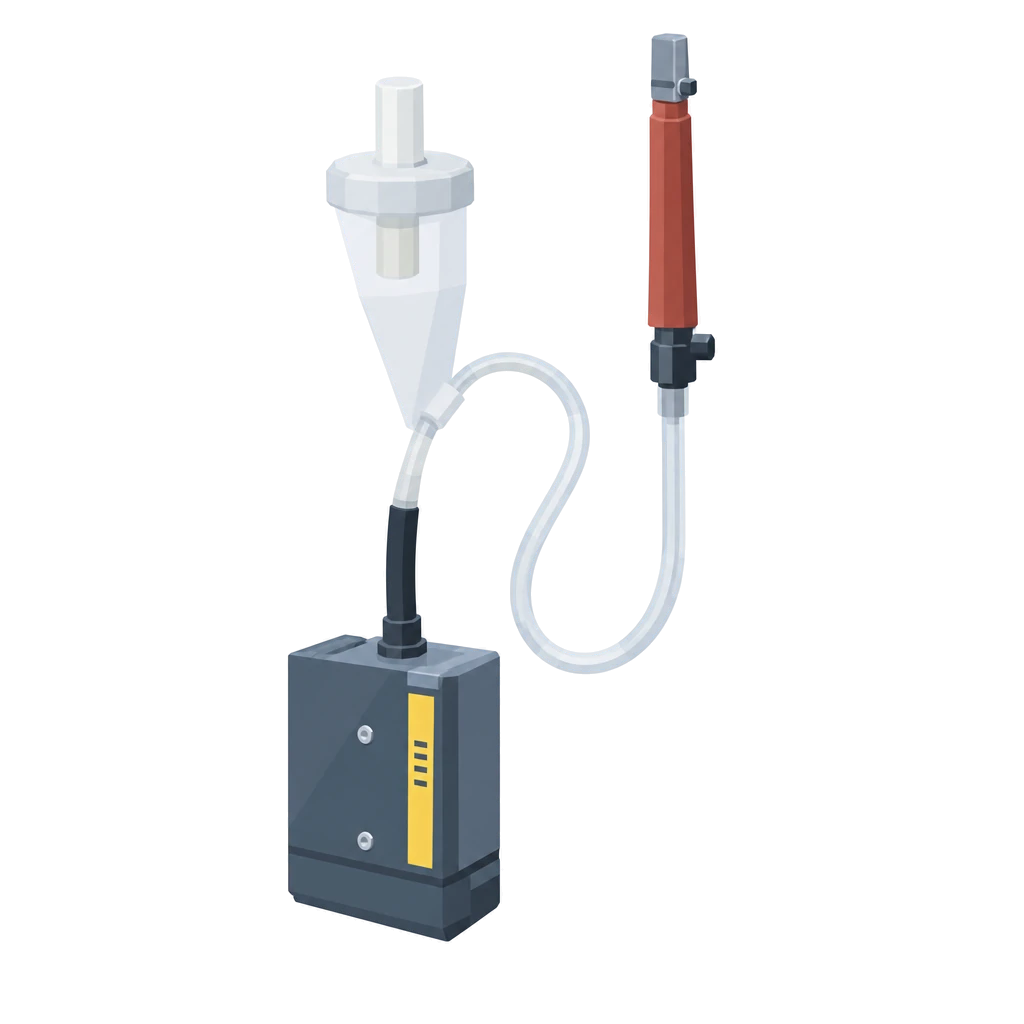
Extends Sidekick and AirChek pumps to 5–500 ml/min for sorbent-tube sampling; tube holder and cover.
5–500 ml/min
SKCFor a pump worn on the belt, see personal sampling pumps. They hold a constant flow for dust, vapour and gas sampling, and a low-flow adaptor takes them down to the flow rates of sorbent tubes. Several models are intrinsically safe (ATEX) for hazardous areas.
Area, environmental and asbestos monitoring and bioaerosol collection need more air than a personal pump moves. The high-volume pumps cover filters, cascade impactors and liquid impingers, with battery or AC-mains models and flows up to 62 L/min. Match the flow to the method: the sampling head and the analytical method define the flow rate, not the other way round.
Sampling kits pair a pump with the accessories for a given method in a carry case, as pump-only, dust, vapour or combined dust-and-vapour sets. Media are ordered separately. For programming and downloading run data, and for extending pumps to low flows, see software and accessories.
Our application engineers aim to reply within 3 business hours.