


Glass Fibre Depth Filters
Binder-free borosilicate glass fibre depth filters, 1.0 µm nominal, for high flow rates and gravimetric sampling; autoclavable and hydrophobic, in 13–90 mm.
Glass fibre depth filters are used where high flow rate and micron/submicron filtration is required, for both air and liquid filtration. They are binder-free borosilicate glass fibre, which eliminates interferences, with a liquid nominal pore size of 1.0 µm, high particle retention and wet strength, and high-temperature tolerance. They are autoclavable and ideal for gravimetric analysis. Select binder-free filters for purity that is ideal for analytical and gravimetric determination, or filters with binder for strength in long-duration, high-pressure or wet applications.
Which glass fibre filter type: A/E, A/B or GF/F?
- A/E glass fibre: for gravimetric analysis of air pollutants and testing dissolved/suspended wastewater solids, with high flow rates, wet strength and dirt (solids) holding capacity. Example: 225-702 (25 mm, thickness 310 to 350 µm, recommended for use with the Button and IOM Samplers) and 225-7 (37 mm, also available in preloaded cassettes).
- A/B glass fibre: high dirt-holding capacity with thicker glass, made of borosilicate glass microfibres. 225-701 (37 mm, thickness 660 µm) is for use with OSHA Provisional Method (PV) 2115 for Oxalic Acid.
- GF/F and GF/A: 225-731 (25 mm, 0.7 µm, GF/F) and 225-58F (25 mm, 1.6 µm, GF/A), the latter recommended for use with the IOM Sampler for general aerosol sampling.
- With binder or coating: 225-703 (acrylic binder, extra thick 1.27 mm) and 225-705 (PTFE coated, 37 mm).
Sizes run from 13 mm (225-16) to 90 mm (225-712, ultra-pure), plus 8×10 inches (225-7-07); preloaded cassettes are listed in the Specifications tab. For the Button Sampler and further media, see the filters and cassettes range, for instance the Quartz Depth Filters.
How is the pore size of a depth filter rated?
Filter pore size ratings are based on liquid filtration ratings. Filters will retain much smaller particles from air (e.g. a 0.8 µm liquid rated filter will retain >50% of particles as small as 0.08 µm).
A nominal or approximate rating is usually applied to depth filters. Unlike membrane filters, depth filters do not contain a uniformly defined pore structure, but fibres or sintered particles that intertwine to create a tortuous path of openings that allow air to pass through and trap particles throughout the depth of the filter. They are usually tested by passing liquid containing particles of a certain size through the filter; if the filter traps an acceptable amount of the specific-sized particles, that particle size becomes the “liquid nominal” pore size rating. Nominal pore size ratings are typically stated as “Filter removes >xx% of particles ≥ µm”.
| Diameter (mm) | Pore Size (µm) | Notes | Pack Size | Part Number | |
|---|---|---|---|---|---|
| 13 | 1.0 | binder free, type A/E | 500 | 225-16 | |
| 25 | 0.7 | binder free, type GF/F | 100 | 225-731 | |
| 25 | 1.0 | binder free, type A/E, thickness 310 to 350 µm | 500 | 225-702 ‡ | |
| 25 | 1.0 | acrylic binder, extra thick (1.27 mm) | 100 | 225-703 | |
| 25 | 1.6 | binder free, GF/A | 100 | 225-58F * | |
| 37 | 1.0 | binder free, type A/E, available in ready-to-use preloaded cassettes, thickness 310 to 350 µm | 500 | 225-7 | |
| 37 | 1.0 | binder free, type A/B, for use with OSHA Provisional Method (PV) 2115 for Oxalic Acid, thickness 660 µm | 100 | 225-701 | |
| 37 | – | PTFE coated | 100 | 225-705 | |
| 47 | 1.0 | binder free, type A/E, thickness 310 to 350 µm | 100 | 225-7047 | |
| 47 | 1.0 | binder free, type A/E, thickness 310 to 350 µm | 500 | 225-714 | |
| 90 | 1.0 | ultra-pure (UP) fibreglass filters, thickness 360 to 390 µm, binder free | 25 | 225-712 | |
| 8×10 inches | 1.0 | binder free, type A/E | 100 | 225-7-07 |
| Diameter (mm) | Pore Size (µm) | Filter and Cassette Specifications | Pack Size | Part Number | ||
|---|---|---|---|---|---|---|
| 25 | 1.0 | A/E Glass Fibre, cellulose support, 2-piece clear plastic, banded | 50 | 225-710 | 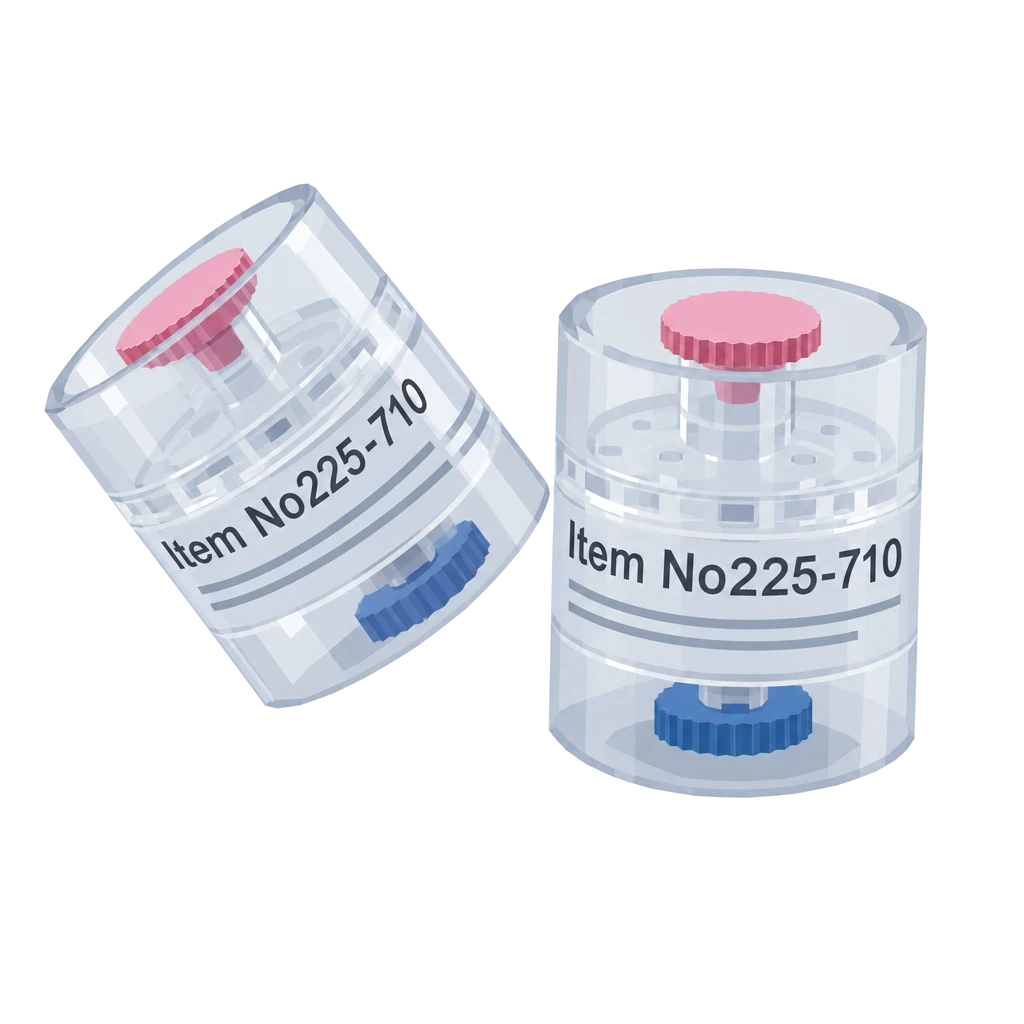 | |
| 37 | 1.0 | A/E Glass Fibre, cellulose support, 2-piece clear plastic, banded | 50 | 225-709 | 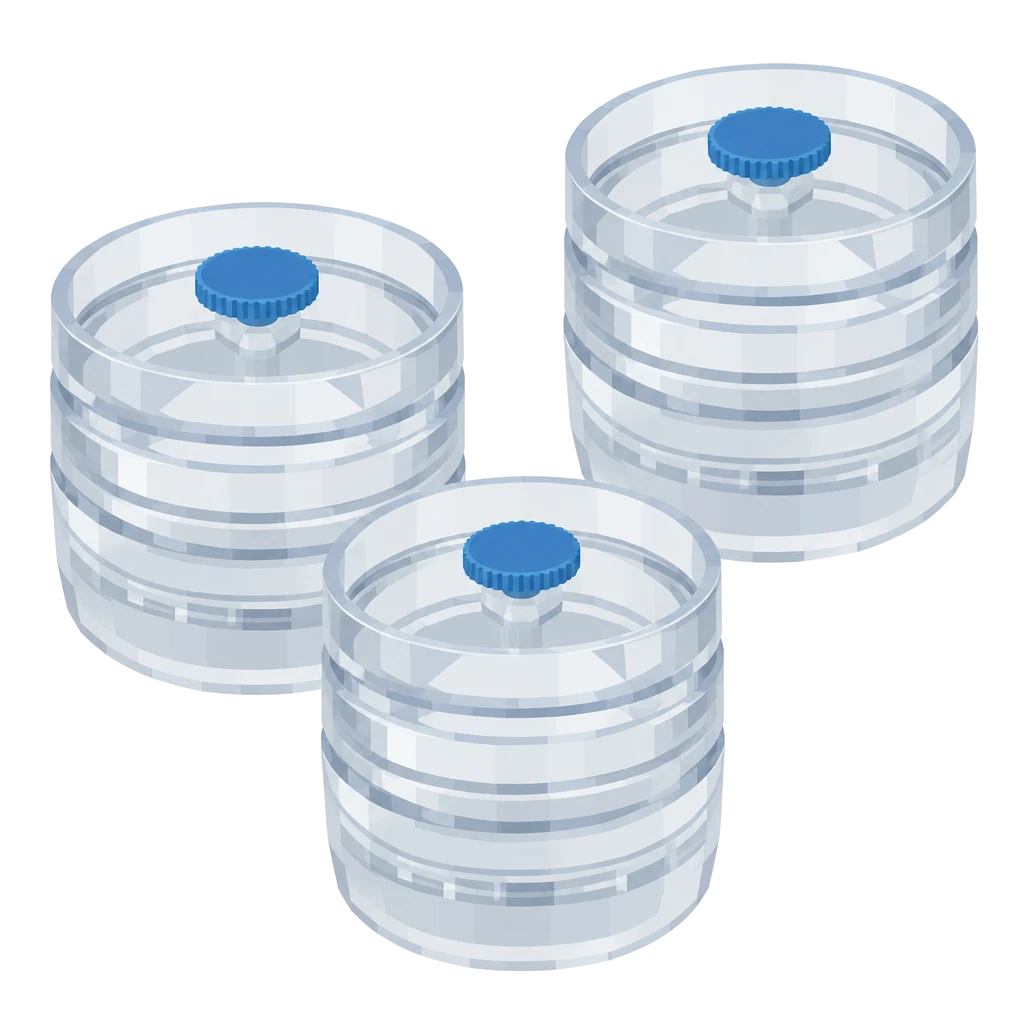 | |
| 37 | 1.0 | A/E Glass Fibre, cellulose support, 3-piece clear plastic, banded | 50 | 225-706 | 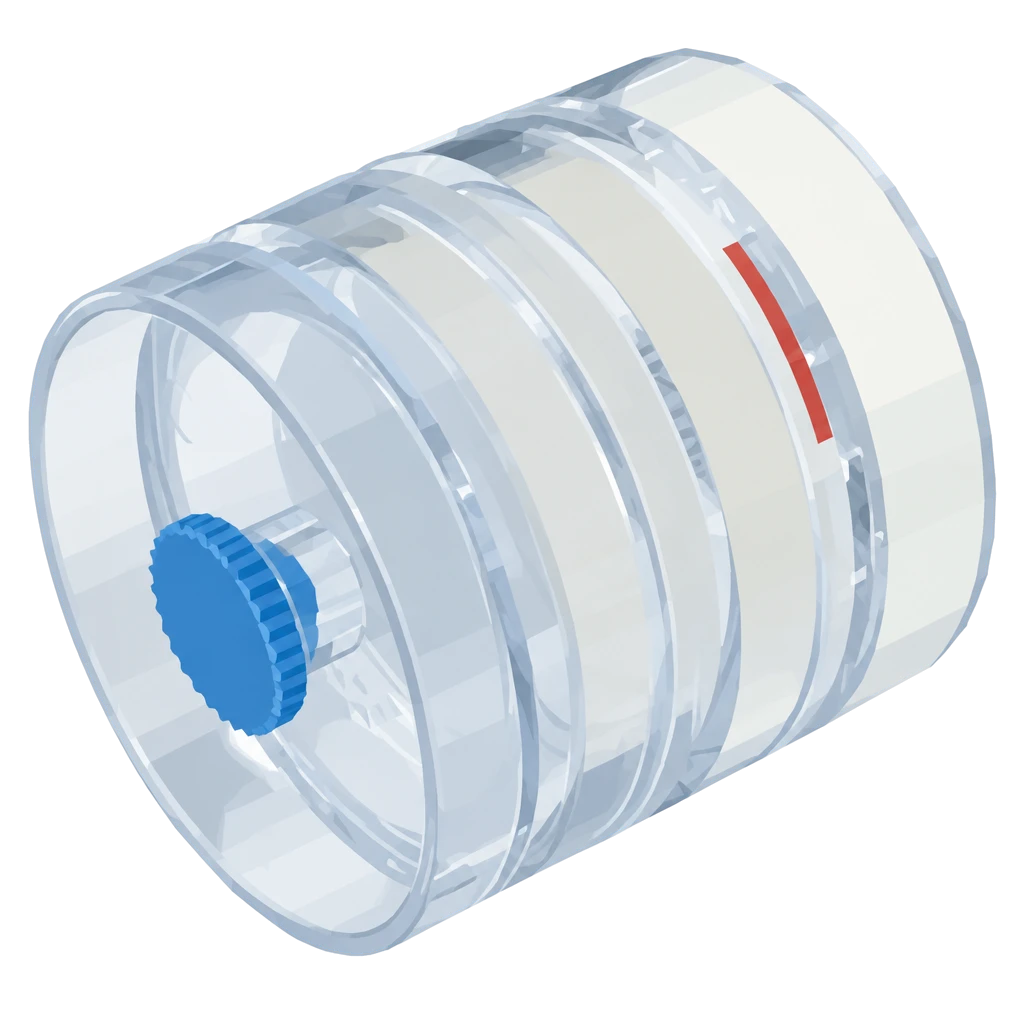 | |
| 37 | 2.0 | A/E Glass Fibre, polypropylene support, 4-piece clear styrene, banded | 50 | 225-724 | ||
| SureSeal Cassette Opener, for opening 25, 37 and 47 mm cassettes | 225-13-5B | 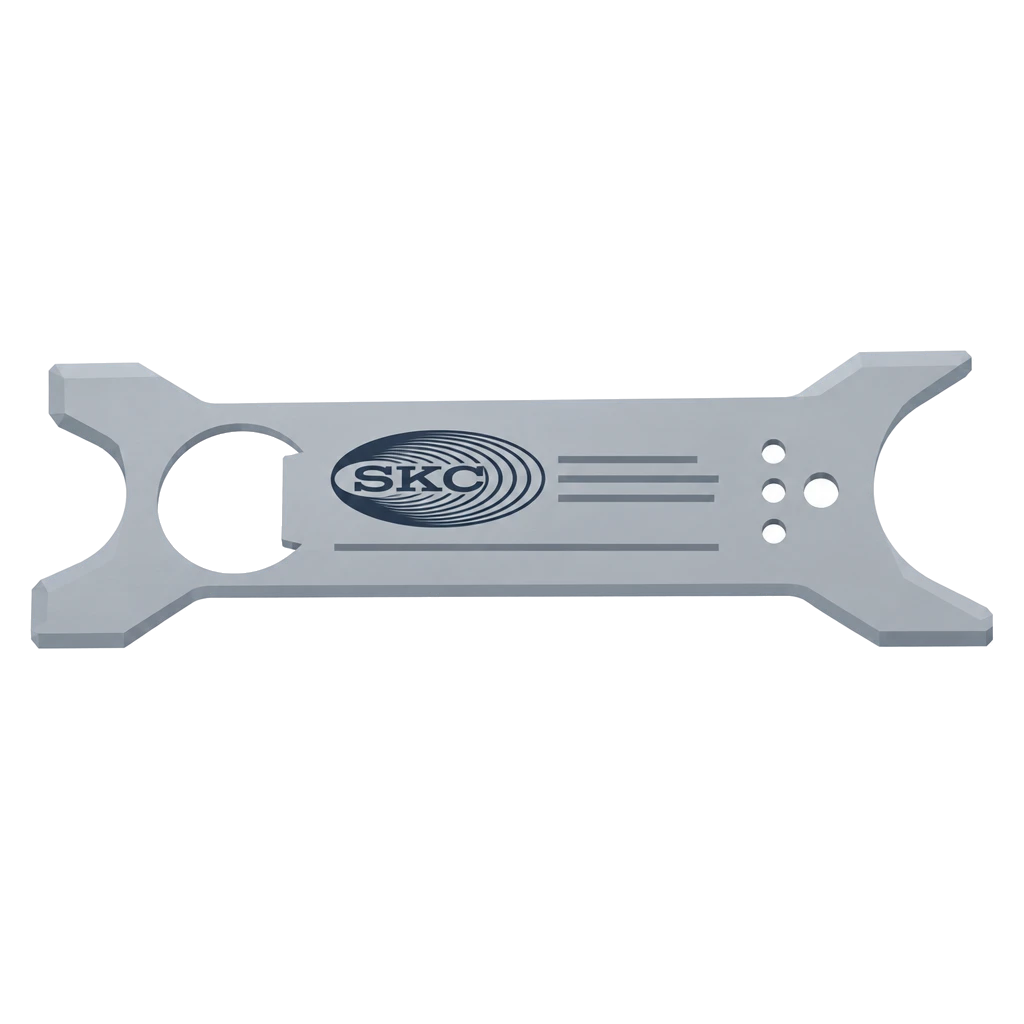 |
Questions about this product?
Our application engineers aim to reply within 3 business hours.