


BioSampler
SKC BioSampler: glass swirling liquid impinger that, used with the BioLite pump, collects bioaerosols at 12.5 L/min into water or ViaTrap mineral oil for up to 8 hours; autoclavable and reusable.
The SKC BioSampler is a glass swirling liquid impinger for bioaerosols, in the bioaerosol samplers category. Used with the BioLite pump for area sampling, it locates sources of biological contamination, identifies and measures levels of microorganisms, evaluates control measures and monitors bioaerosol releases. It is a result of SKC’s work with leading scientists at the University of Cincinnati. Patents: U.S Patent No. 5,902,385 (device), U.S Patent No. 5,904,752 (method). There is no standardised method for bioaerosol collection at this time; the swirling liquid collection method is patented.
How does a swirling liquid impinger work?
The BioSampler’s three tangential nozzles act as critical (sonic) orifices, each permitting 4.2 L/min of ambient air to pass, for a total flow rate of approximately 12.5 L/min. The swirling liquid collection method minimises re-aerosolisation and particle bounce and preserves micro-organism integrity and viability. The BioSampler must be operated with a high volume sonic flow pump, such as the BioLite/BioLite+ Pump, that can maintain 15 inches mercury or 0.5 of an atmosphere of downstream pressure.
Which collection liquid and sample time for the BioSampler?
It allows non-evaporating collection liquids: water, or a liquid with a viscosity much higher than water, such as ViaTrap (special mineral oil), which provides constant collection efficiency over an 8 hour sampling period. ViaTrap mineral oil may not be suitable for PCR analysis. The 20 ml BioSampler is 225-9595 and the 5 ml version 225-9593, both 3-piece glass. The complete glass construction allows easy cleaning, sterilising, autoclaving and reuse, and the collection liquid transfers easily to an agar plate for culturing.
What is the BioSampler used for, and how are samples analysed?
- Indoor air quality investigations
- Infection control in hospitals and veterinary clinics
- Quantification of microorganisms in agricultural dust
- Biological research and infectious disease investigations in public buildings
- Safety concerns in the food handling industry
- Workplace exposures in pulp and paper mills or wastewater treatment plants
Samples support growth culture analysis, which quantifies and characterises airborne cultural bacteria and fungi; microscopic analysis, which enumerates and provides limited identification of total airborne bacteria and fungi; biochemical assay, which quantifies biological compounds based on reaction to a chemical; immunoassay, which quantifies airborne allergens based on antibodies binding to a specific target antigen; and polymerase chain reaction (PCR), which identifies bioaerosols by screening for a specific genus or species.
| Parameter | Value |
|---|---|
| Sample Time | Up to 8 hours |
| Sample Rate | Sonic flow through BioSampler nozzles (12.5 L/min) |
| Sample Pump | BioLite/BioLite+ Pump |
| Sample Media | Water or more viscous liquids such as ViaTrap mineral oil |
| Tubing | 1/4 inch ID and 3/8 inch ID |
| Description | Part Number | |
|---|---|---|
| 20 ml BioSampler (Single), 3-piece glass, includes: inlet section, outlet section, and collection vessel (does not include ground joint cap). Inlet and outlet sections are a matched set | 225-9595 | |
| 20 ml BioSampler (Set of 4), 3-piece glass, includes: inlet section, outlet section, and collection vessel (does not include ground joint cap). Inlet and outlet sections are a matched set | 225-9595K4 | |
| 5 ml BioSampler, 3-piece glass, includes: inlet section, outlet section, and collection vessel (does not include ground joint cap). Inlet and outlet sections are a matched set | 225-9593 |
| Description | Part Number | |
|---|---|---|
| BioSampler Mini Kit includes: BioSampler, two 20 ml collection vessels (bottoms) with caps, 1 BioSampler case with mounting rod, and 1 ViaTrap (120 ml). Viatrap mineral oil may not be suitable for PCR analysis | 225-9597 | |
| BioLite+ BioSampler Kit 230V includes: BioLite+ 230V pump, 1 BioSampler, vessel, cap, and one additional 20 ml collection vessel with cap, 1 mounting bracket, tubing/adapters and rotameter | 228-9620KB | |
| BioLite+ BioSampler Deluxe Kit 230V includes: BioLite+ 230V pump, 1 BioSampler, two 20 ml collection vessels with caps, 1 case with mounting rod, 1 ViaTrap* (120 ml), tubing/adapters and rotameter | 228-9620KBD | |
| BioLite+ BioSampler Kit 120V includes: BioLite+ 120V pump, 1 BioSampler, vessel, cap, and one additional 20 ml collection vessel with cap, 1 mounting bracket, tubing/adapters and rotameter | 228-9615KB | |
| BioLite+ BioSampler Deluxe Kit 120V includes: BioLite+ 120V pump, 1 BioSampler, two 20 ml collection vessels with caps, 1 case with mounting rod, 1 ViaTrap* (120 ml), tubing/adapters and rotameter | 228-9615KBD |
| Description | Part Number | ||
|---|---|---|---|
| 20 ml BioSampler Collection Vessel (bottom) and ground joint cap, for transporting samples | 225-9596 | 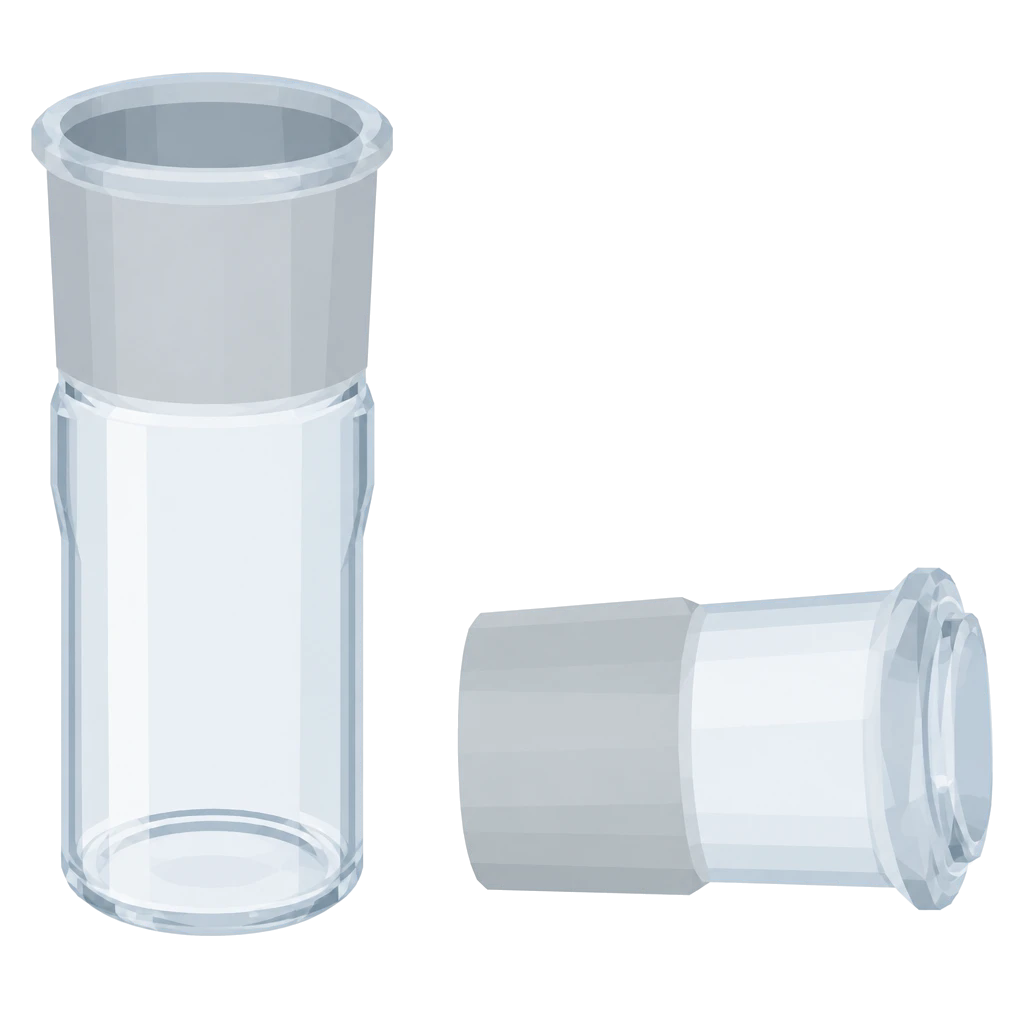 | |
| 5 ml BioSampler Collection Vessel (bottom) and ground joint cap, for transporting samples | 225-9596A | | |
| 120 ml ViaTrap Collection Media, special mineral oil for bioaerosol sampling. Viatrap mineral oil may not be suitable for PCR analysis | 225-9598A | 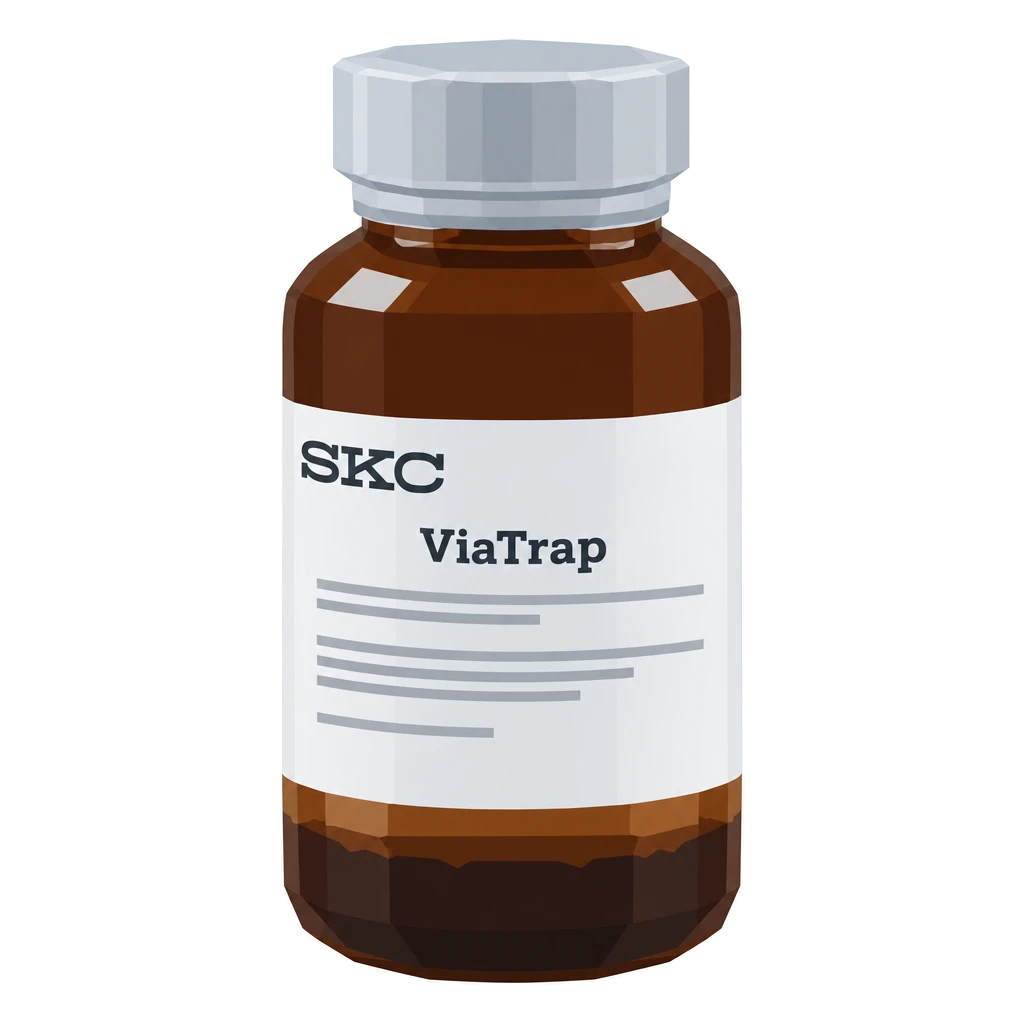 | |
| 500 ml ViaTrap Collection Media, special mineral oil for bioaerosol sampling. Viatrap mineral oil may not be suitable for PCR analysis | 225-9598 | | |
| 950 ml ViaTrap Collection Media, special mineral oil for bioaerosol sampling. Viatrap mineral oil may not be suitable for PCR analysis | 225-9599 | | |
| BioSampler Case with Mounting Rod, includes foam insert. Case serves as a base and rod secures BioSampler during sampling | 225-9606 | 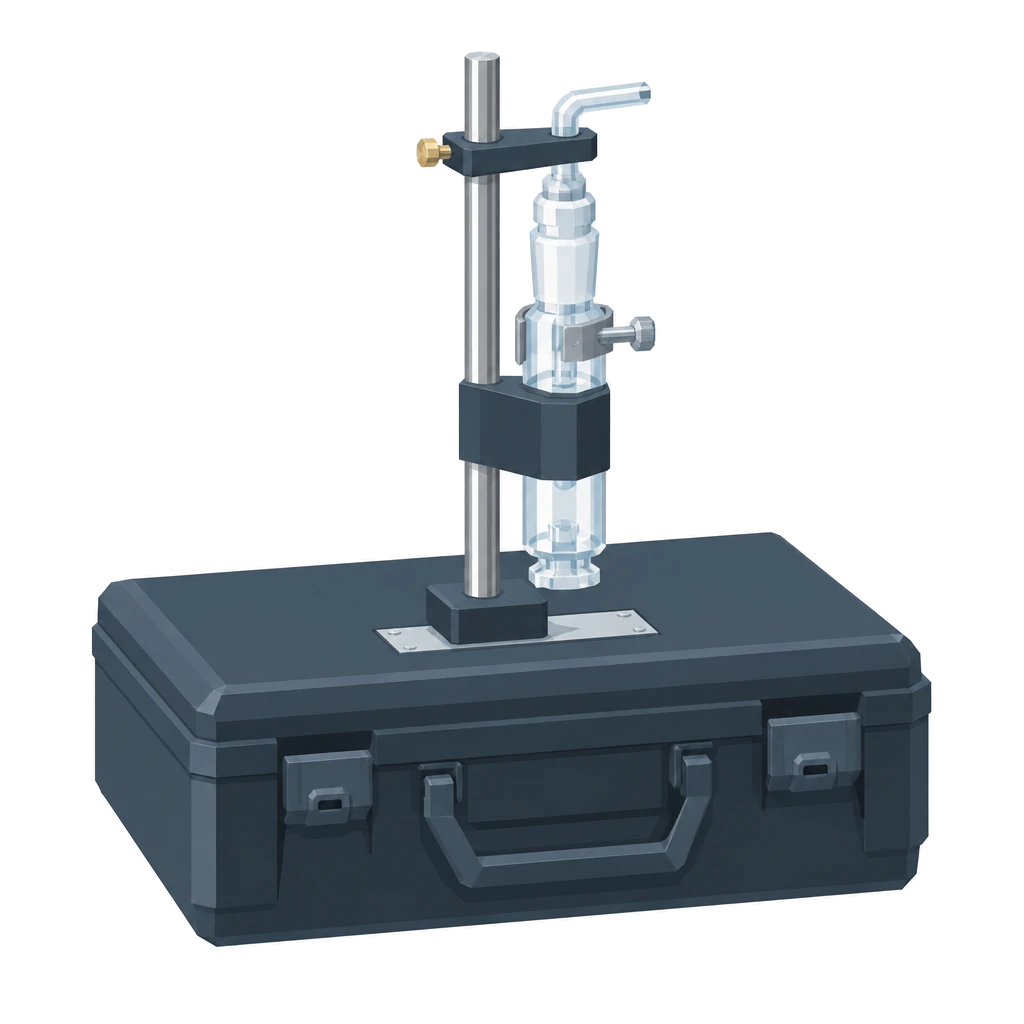 | |
| Glass Trap for area sampling to protect pump and can be used with or without trap sorbent | 225-22 | 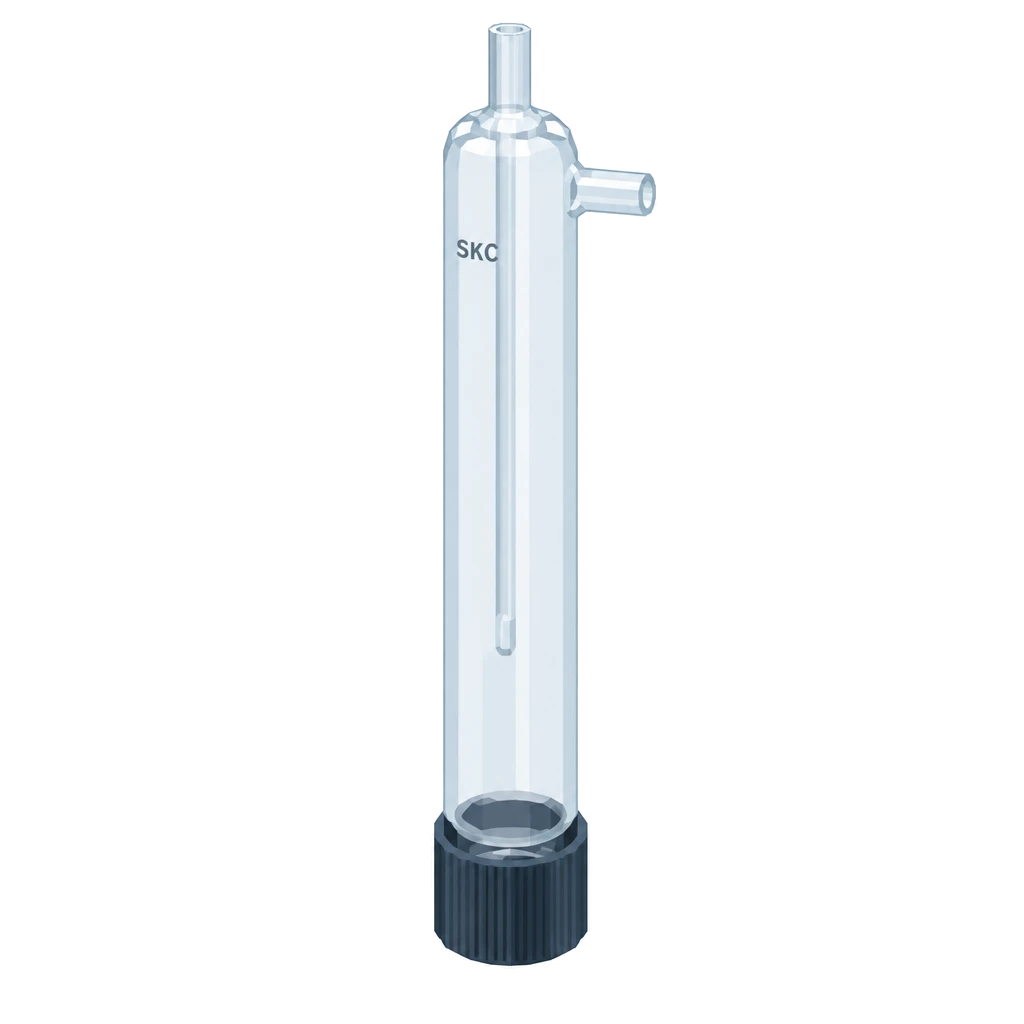 | |
| Trap Sorbent 200 g, silica gel/activated charcoal mix to remove vapours | 225-22-02 | 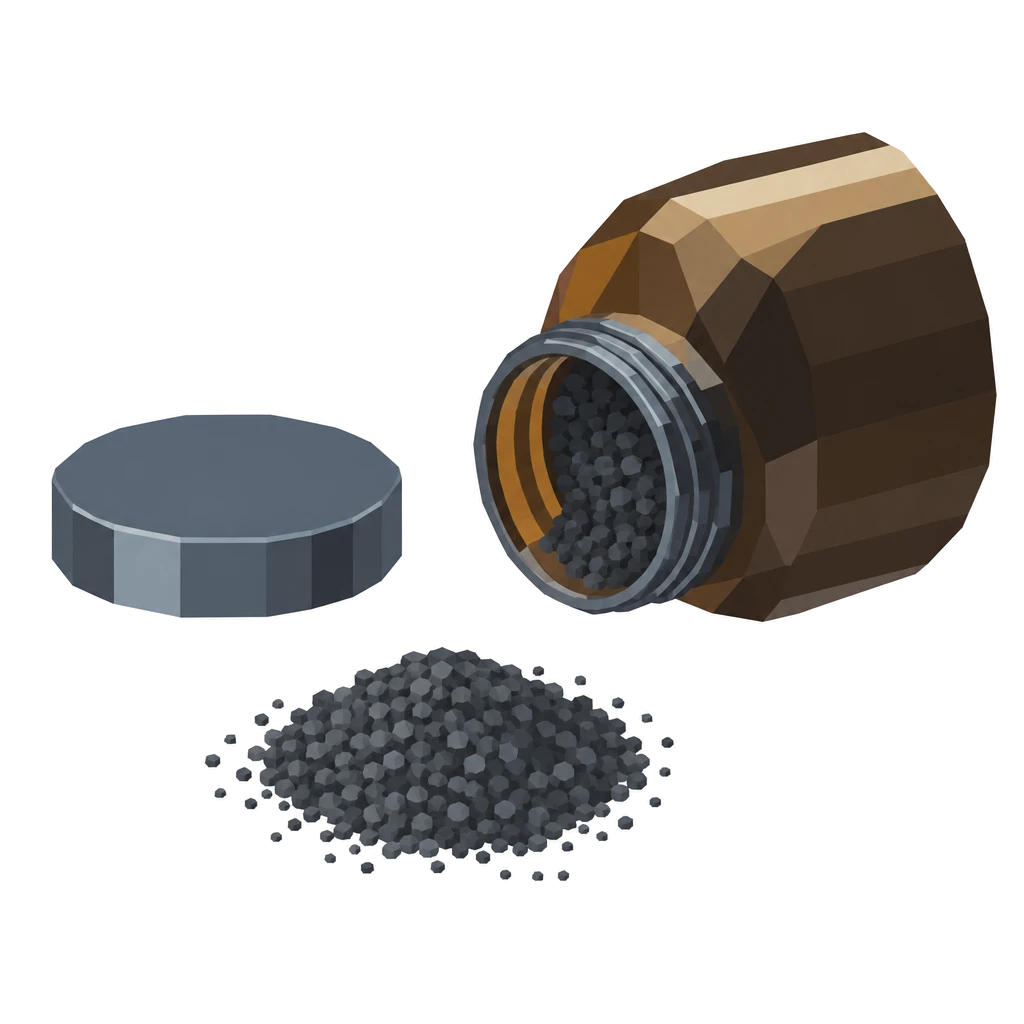 | |
| BioSampler Mounting Bracket for BioLite+/BioLite Pump | 228-9611 | 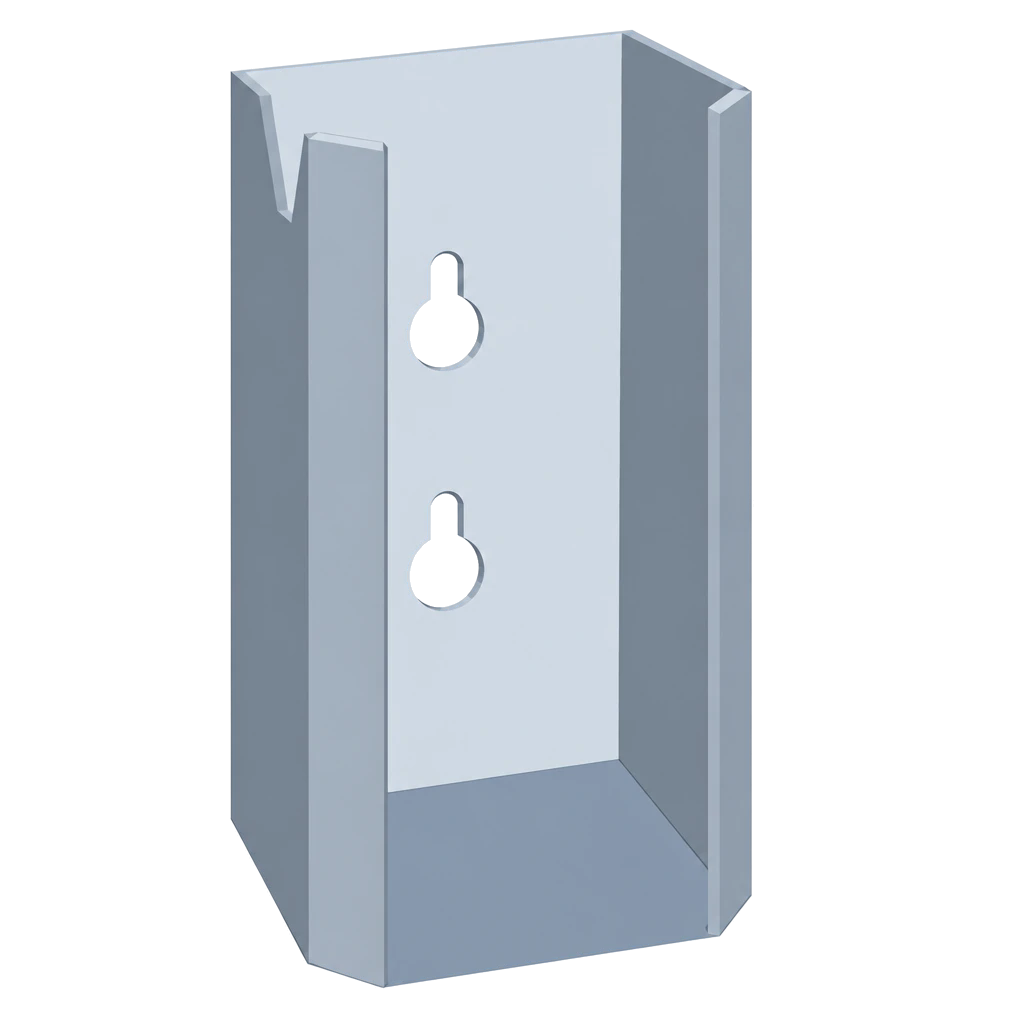 |
Questions about this product?
Our application engineers aim to reply within 3 business hours.